Curtains do more than frame a window. They shape the light, add texture, and help set the mood of a room. While color and length often get the most attention, the fabric you choose can make just as much difference.
With their inviting texture and beautiful drape, wool curtains work in everything from a traditional townhouse to a relaxed country home or a modern apartment. Their appeal goes beyond appearance, too.
Here are six reasons to consider wool curtains for your space.
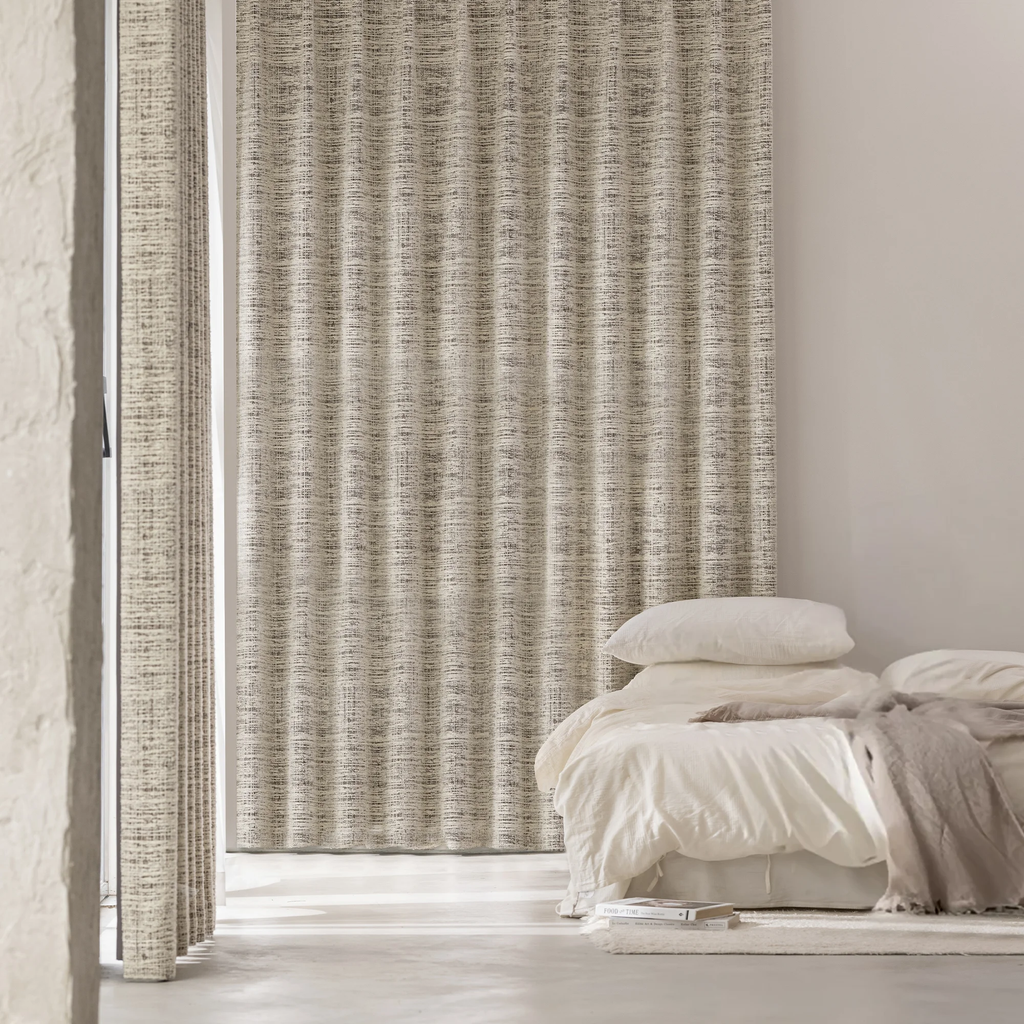
1. An Extra Layer of Warmth
Even with the heating on, the area around a window can feel chilly. Substantial curtains add another layer between the glass and your living space, helping the room feel more comfortable.
Wool’s naturally crimped fibers trap air, contributing to the fabric’s insulating properties. A dense weave, suitable lining, and well-fitted installation all help make the most of this benefit.
During colder months, close your curtains at dusk and open them when sunlight can warm the room. In summer, curtains can complement other shading, including exterior blinds or shutters.
For a good fit, choose panels wide enough to cover the window generously while keeping radiators and air vents clear. Thermal performance depends on the complete curtain, how it is installed, and your home’s existing insulation.
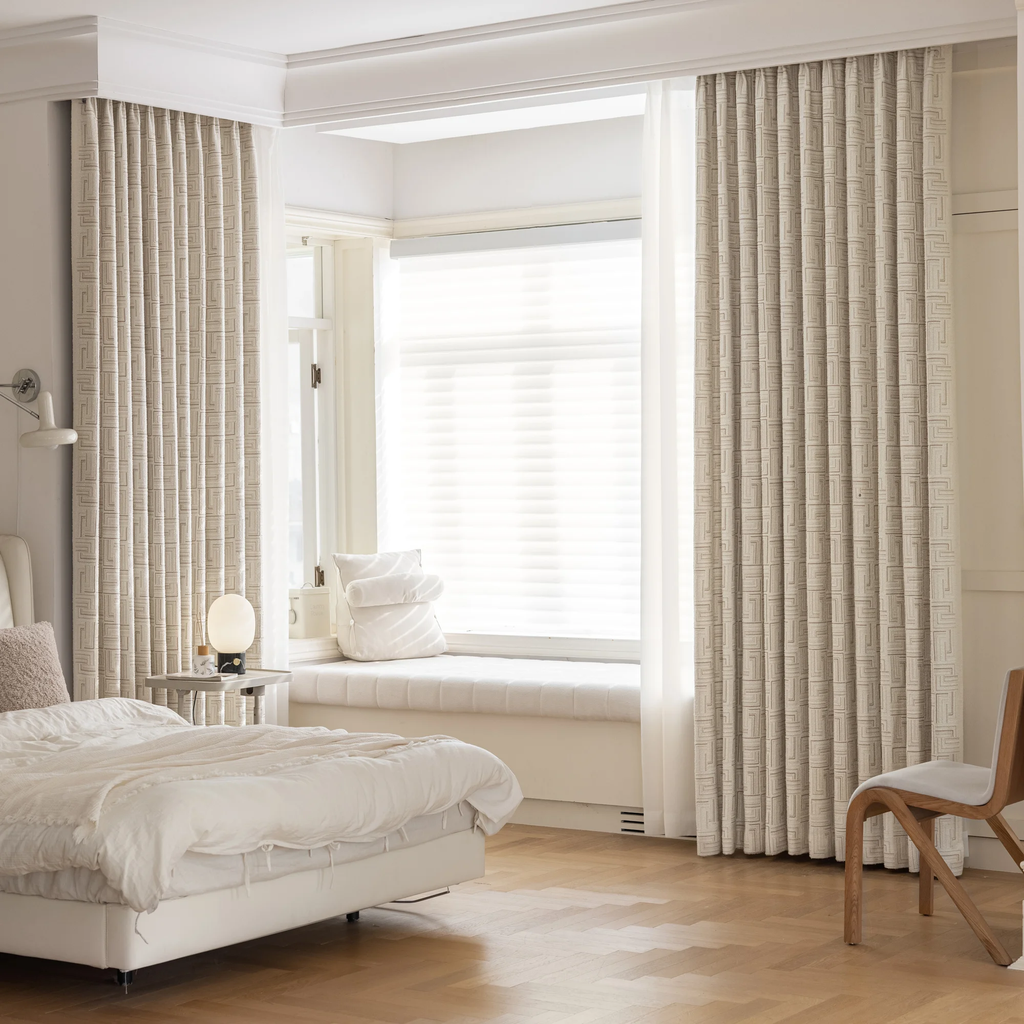
2. A Softer-Sounding Room
Wood floors, large windows, and bare walls can look beautiful, but they can also leave a room feeling echoey.
Thick wool curtains with generous folds can absorb some sound and help soften reverberation. That makes them a useful addition to living rooms, bedrooms, and home offices where you want a calmer atmosphere.
The effect depends on the fabric, the area it covers, and how it hangs. Reducing echo within a room is different from blocking traffic noise outside. If acoustic performance is a priority, look for curtains with published test results.
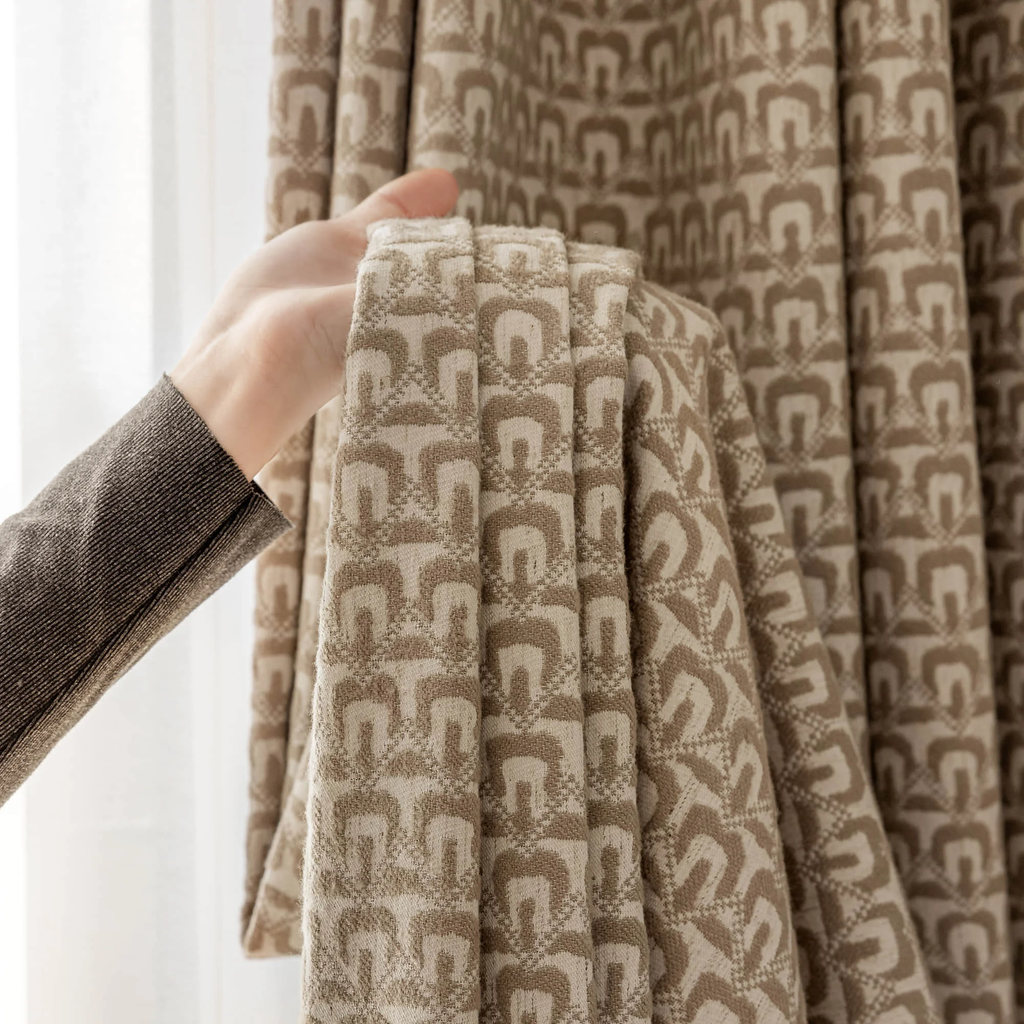
3. Naturally Resistant to Ignition
Wool is naturally harder to ignite than many common textile fibers. Pure wool also does not melt or form molten drips when exposed to fire.
That is a useful material property, but a wool curtain is not automatically fireproof or certified for a particular use. Its fiber blend, lining, and finishes all affect how the finished product behaves.
If your project requires a specific fire performance rating, ask for documentation covering the curtain you plan to buy. Always keep curtains away from open flames and heat sources.
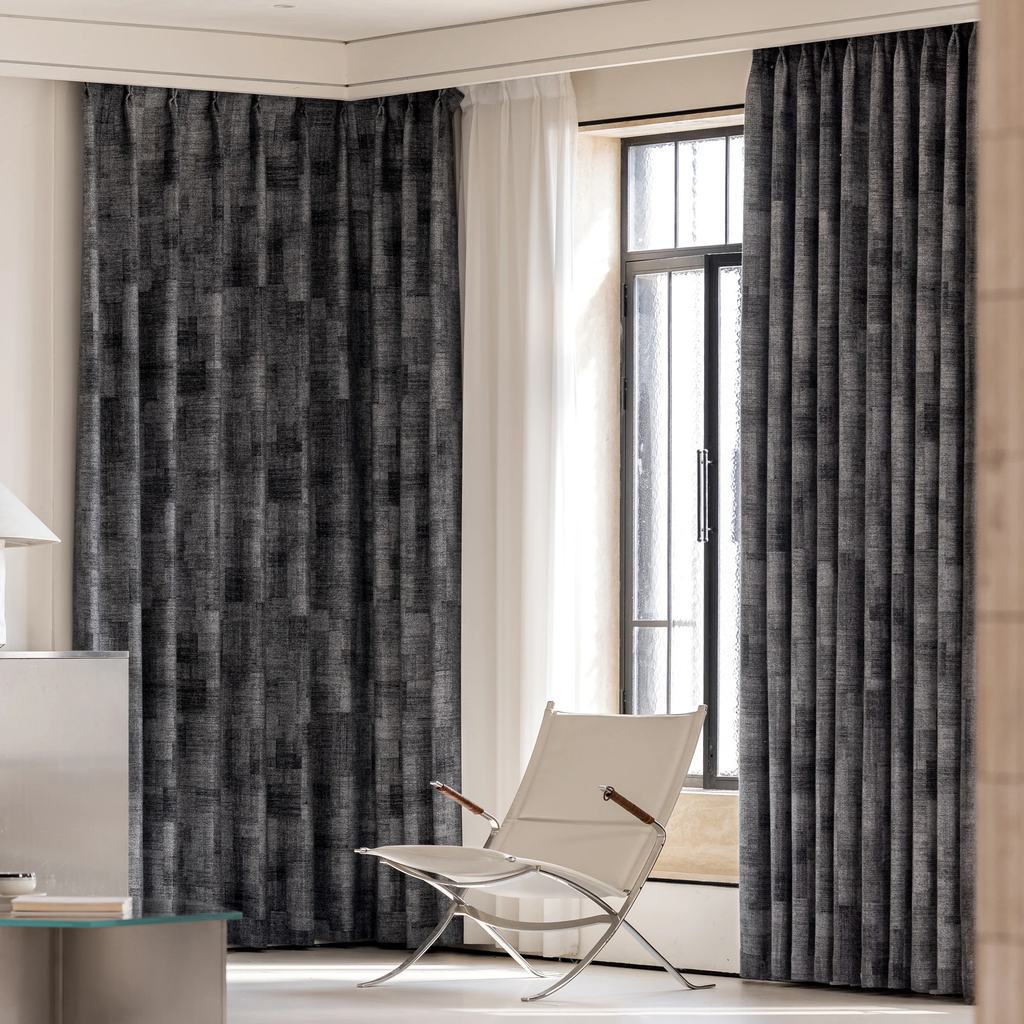
4. Rich Texture and a Beautiful Drape
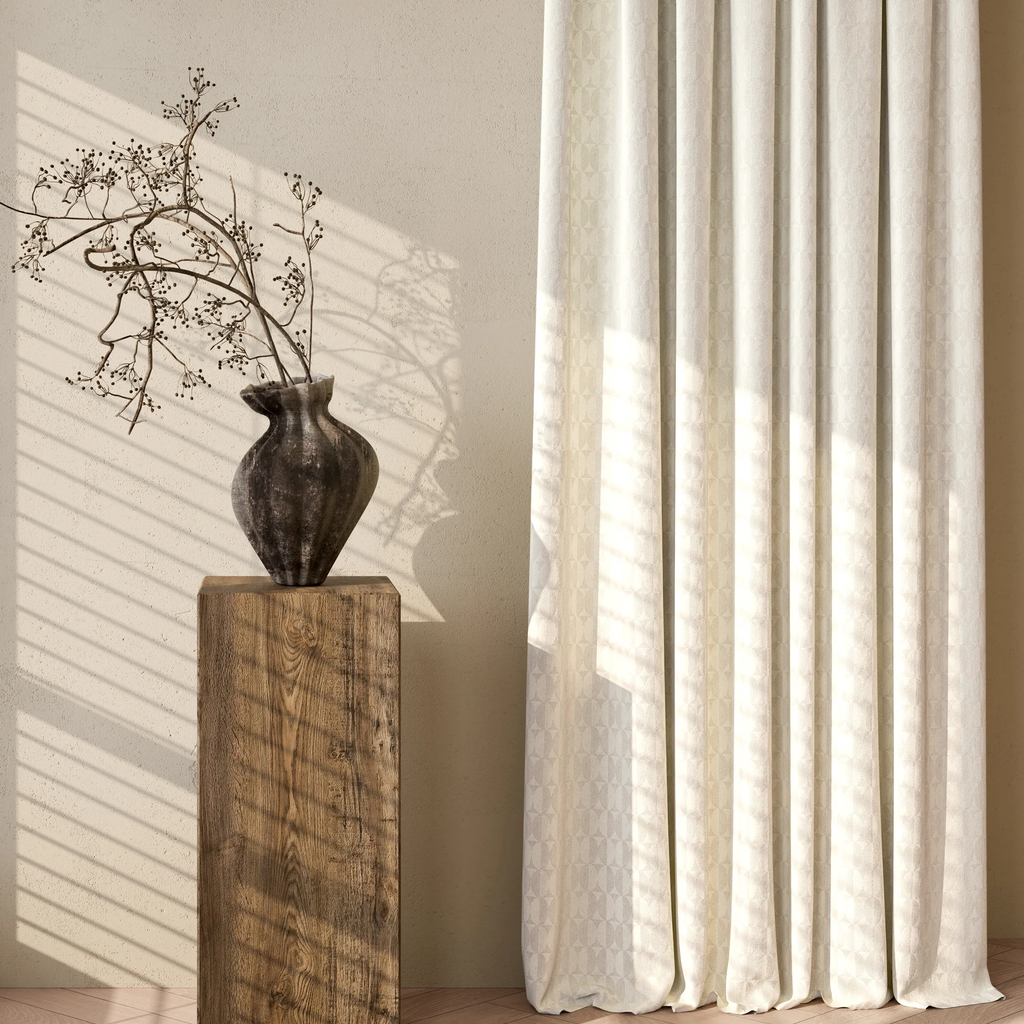
Wool brings depth to a room without relying on bold patterns. Depending on the weave and weight, it can look soft and understated or substantial and cocooning.
Its natural resilience helps the fibers recover their shape, while good construction and appropriate care help preserve the curtain’s appearance over time.
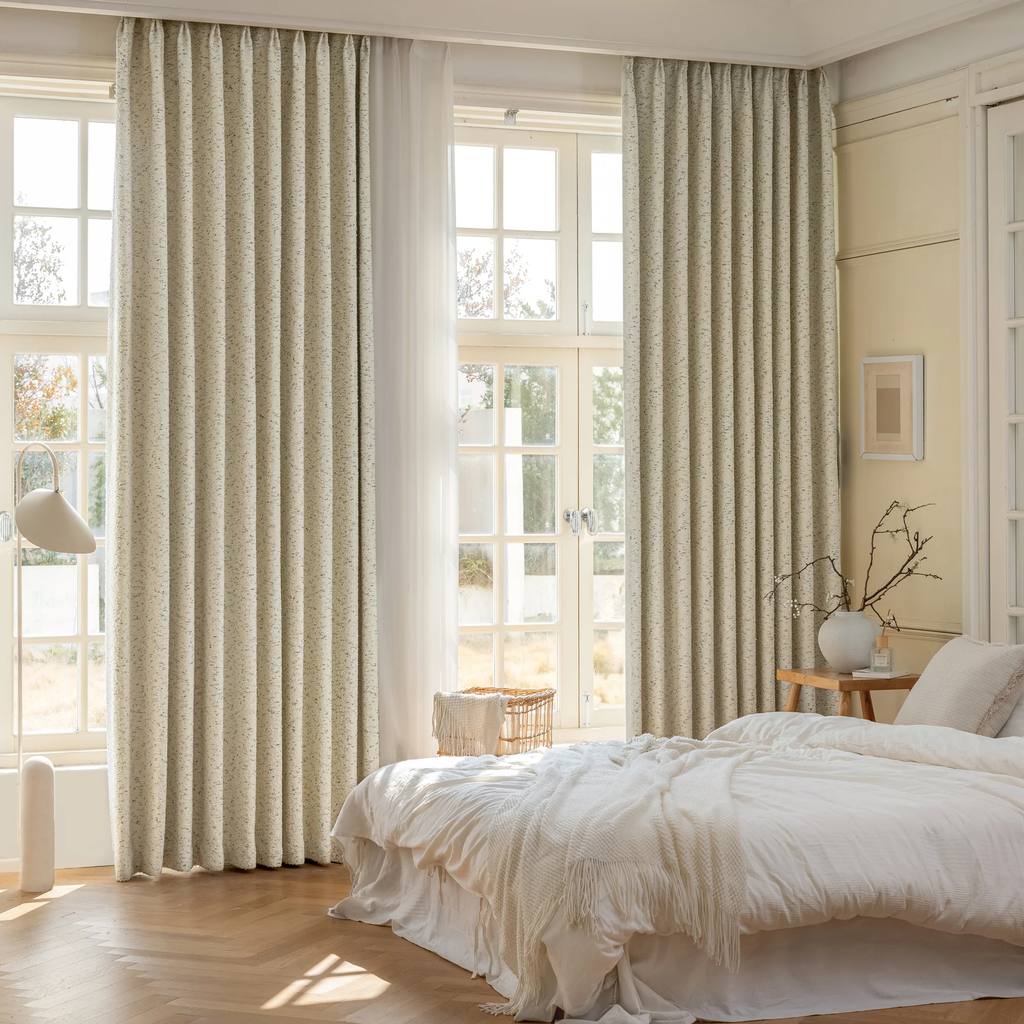
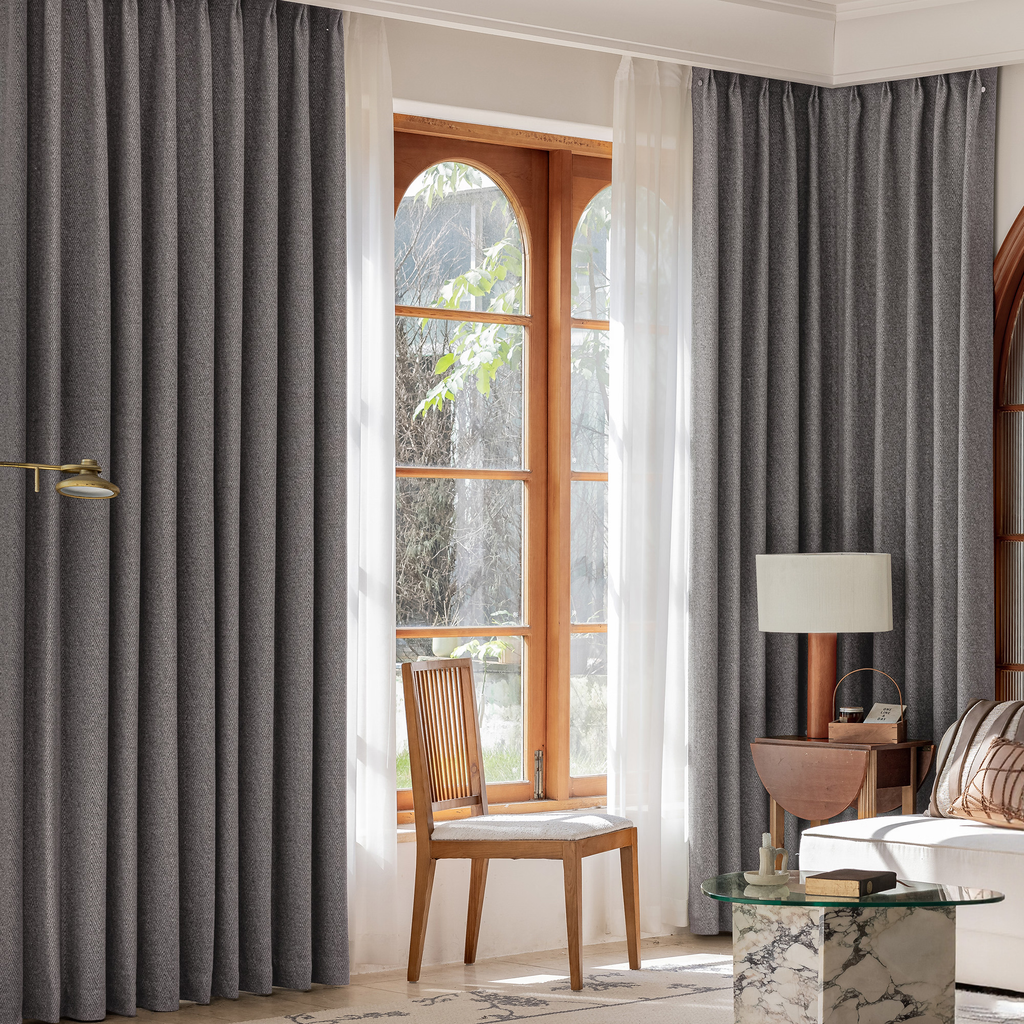
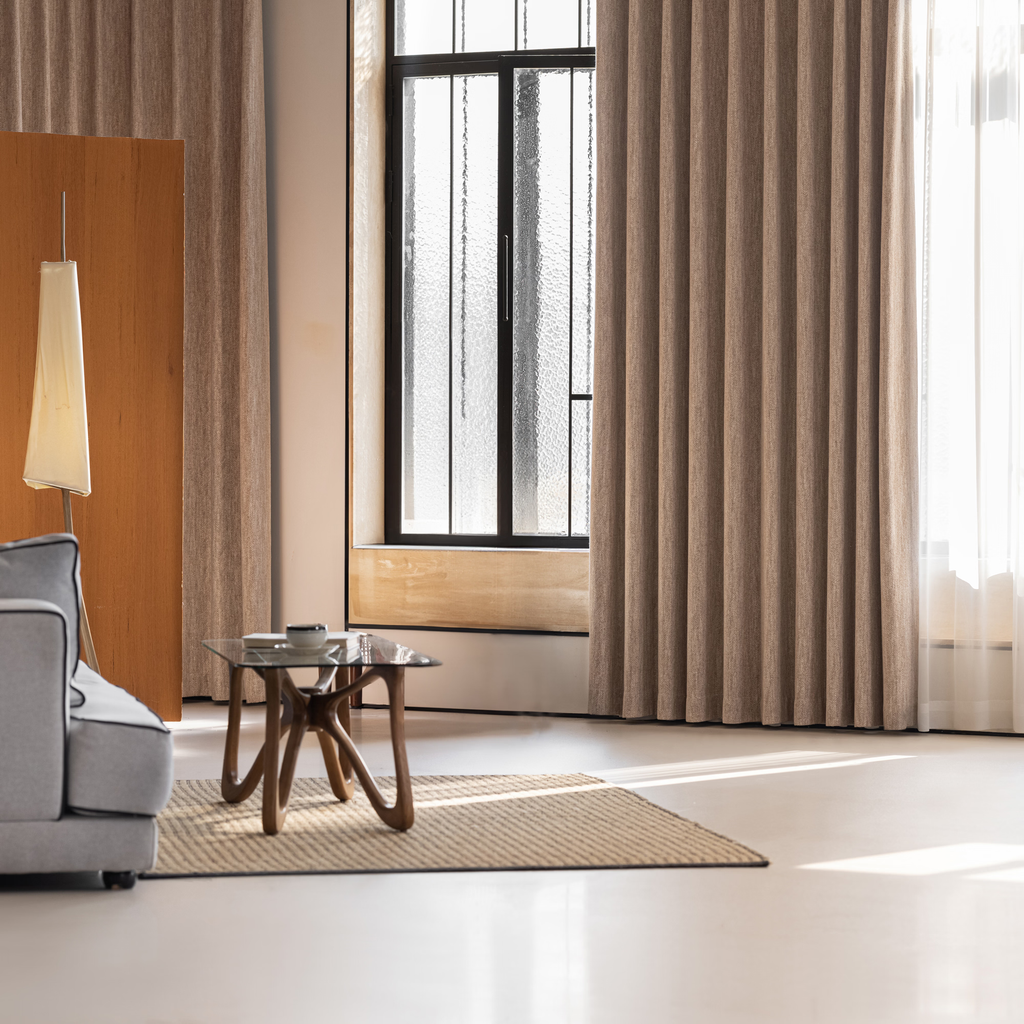
For an easy-to-style palette, try warm ivory, oatmeal, or soft gray alongside wood, stone, and metal. Deep green or rich brown can give a room a more distinctive focal point.
For a polished everyday look, choose a length that just brushes the floor or sits slightly above it.
5. A Fiber That Responds to Moisture
Wool can absorb water vapor from the air and release it as surrounding conditions change. This moisture-responsive quality is one of the fiber’s useful natural characteristics.
At room scale, however, curtains cannot replace good ventilation or resolve a damp problem. Wool curtains should not automatically be described as hypoallergenic or dust-mite resistant, either.
Regular cleaning, fresh air, and a fabric composition suited to your household remain the practical foundations of a comfortable space.
6. A Renewable Material Worth Choosing Carefully
Wool is a renewable natural fiber: sheep grow a new fleece over time. Wool fibers can also biodegrade under suitable conditions.
The environmental impact of a finished curtain depends on much more than its main fiber, though. Farming, processing, dyeing, transport, care, and how long you keep it all matter.
Before buying, check:
- The actual wool content.
- Where the fibers come from and what traceability information is available.
- Whether the fabric contains recycled fibers.
- The lining composition and any applied finishes.
- The care requirements.
Synthetic blends have different end-of-life characteristics from pure wool. A well-made curtain that suits your home and stays in use for years is a sensible place to start.
How to Choose the Right Wool Curtains
Start with what you want the curtains to do. Are you adding warmth to a living room, softening the sound in a home office, or bringing texture to a bedroom?
Then consider the fabric’s composition, weight, light-filtering qualities, and lining options. Wool curtains are not necessarily blackout curtains, so a bedroom may need a separate blackout lining.
Order a swatch if possible. Look at it in daylight and under your evening lighting, and feel the texture before committing. Check that your curtain rod and brackets can support the combined weight of the fabric and lining.
Finally, follow the manufacturer’s care instructions. Some wool curtains require professional cleaning, while others have different care options depending on their composition.
Bring Warmth and Texture Home
The right wool curtains can make a room feel more inviting while adding practical comfort. Choose a fabric you love, give careful thought to fit and lining, and you will have a window treatment that feels at home in your space.
Explore our wool curtains to find the texture, color, and finish that bring your room together.