Choosing curtains for a baby room is about much more than decorating a space. The right nursery curtains help create a safe, comfortable, and peaceful environment where babies can sleep, play, and grow.
Unlike standard household curtains, curtains designed for nurseries need to meet higher expectations. They should combine child safety, soft and pleasant fabrics, practical light control, and timeless designs that can adapt as your child grows.
The ideal baby room curtains should help create a calm atmosphere while protecting your little one from excessive sunlight, outside distractions, and temperature changes. From cordless designs and baby-friendly fabrics to elegant neutral colors and custom-made options, every detail contributes to creating a healthier and more comfortable nursery.
At Sophora Déco, we believe that a well-designed nursery should balance safety, functionality, and aesthetics. In this guide, we explore the essential criteria for choosing the best nursery curtains, including safety recommendations, suitable materials, practical features, and decoration trends to help you create a beautiful space for your baby.
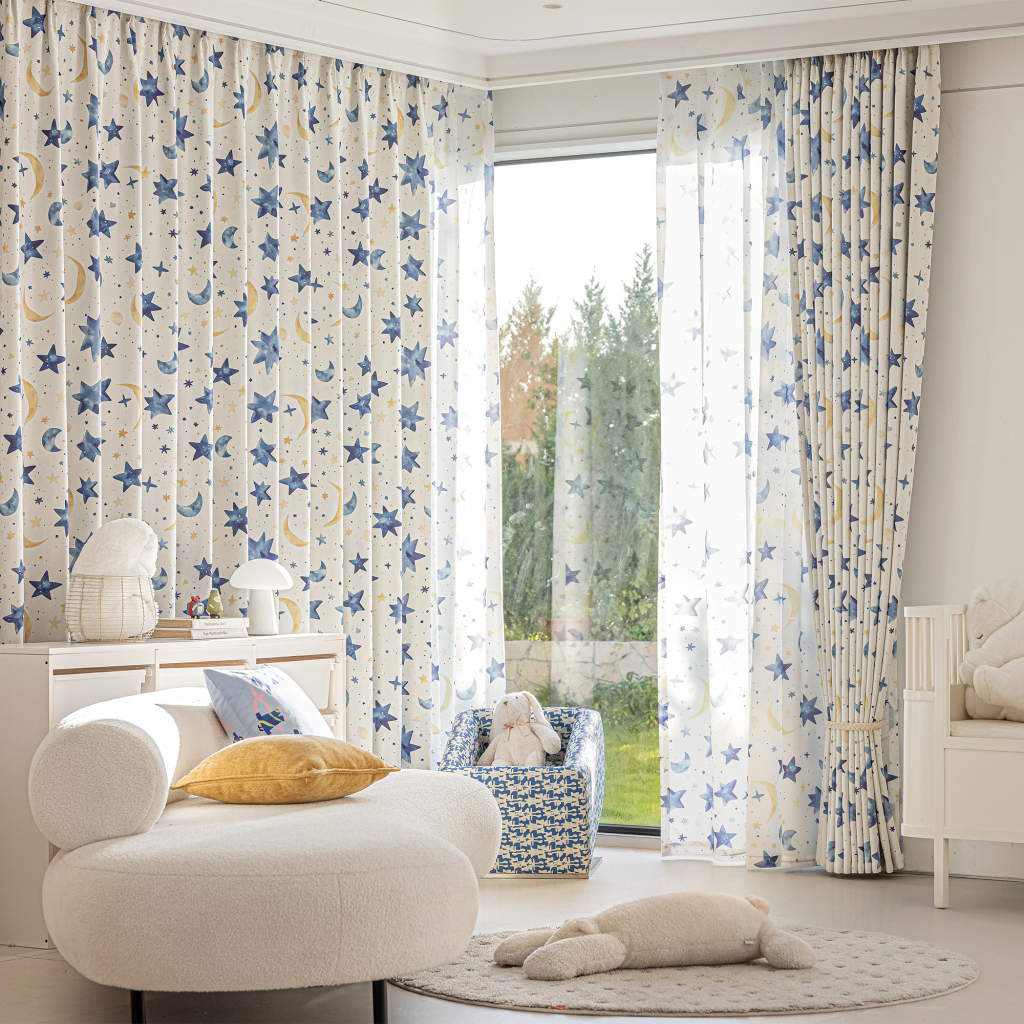
1. Why Nursery Curtains Are More Than Decoration
Why Baby Room Curtains Are an Essential Part of the Nursery
Many parents first think of curtains as a decorative element, choosing colors and patterns that match the furniture or overall room style. However, nursery curtains serve a much deeper purpose.
A baby spends a significant amount of time sleeping and resting in their room. The surrounding environment plays an important role in their comfort, sleep quality, and daily routine.
Well-designed baby room curtains help regulate natural light, improve sleeping conditions, create a softer atmosphere, and provide additional comfort around windows.
A carefully selected nursery curtain should offer the perfect balance between aesthetics and functionality. It should not only complete the room decoration but also contribute to creating a safe, peaceful, and comfortable environment for your baby.
1.1 Core Benefits of Nursery Curtains
Better Light Control for Baby Sleep
Babies have developing sleep patterns and are more sensitive to environmental changes than adults. Strong sunlight, early morning brightness, or outdoor lighting can easily disturb naps and nighttime sleep.
High-quality nursery curtains help soften intense daylight during daytime activities and reduce unwanted light exposure during rest periods.
Blackout curtains or curtains with strong light-blocking properties can be especially beneficial for newborns who need frequent and uninterrupted sleep.
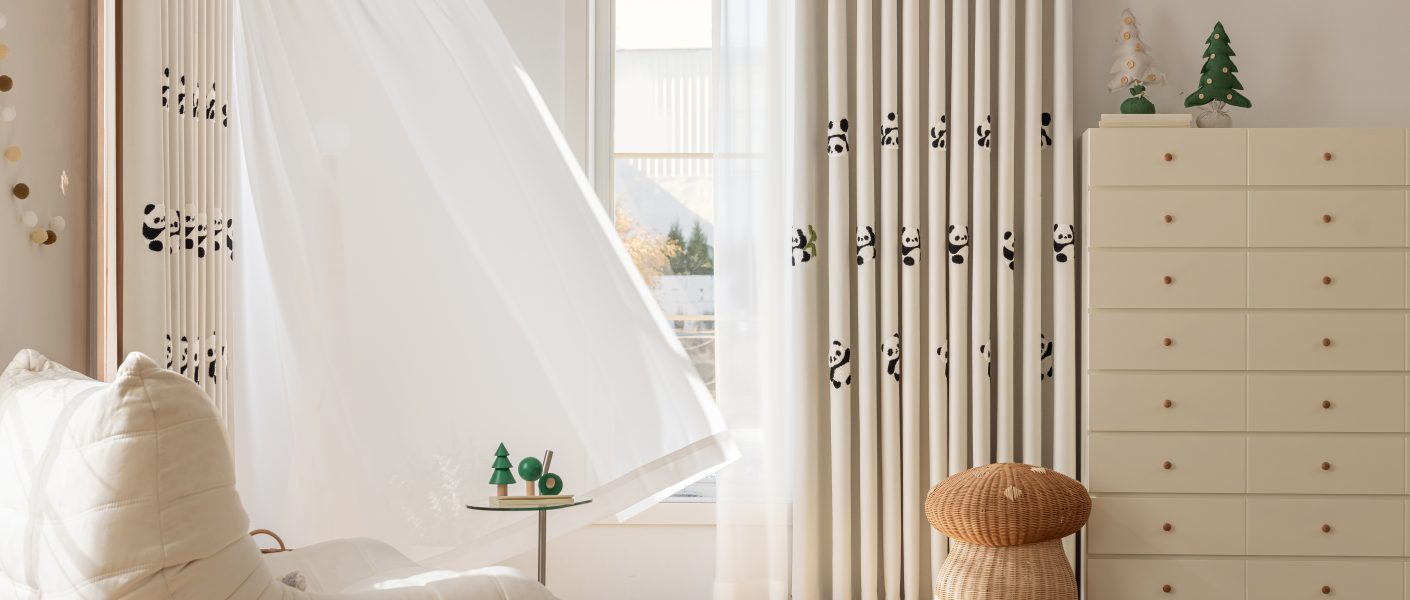
A combination of sheer curtains and blackout curtains is also a practical solution for baby rooms. Lightweight sheers allow soft natural light to enter during the day, creating a bright and pleasant atmosphere, while blackout panels provide a darker environment when your baby needs to rest.
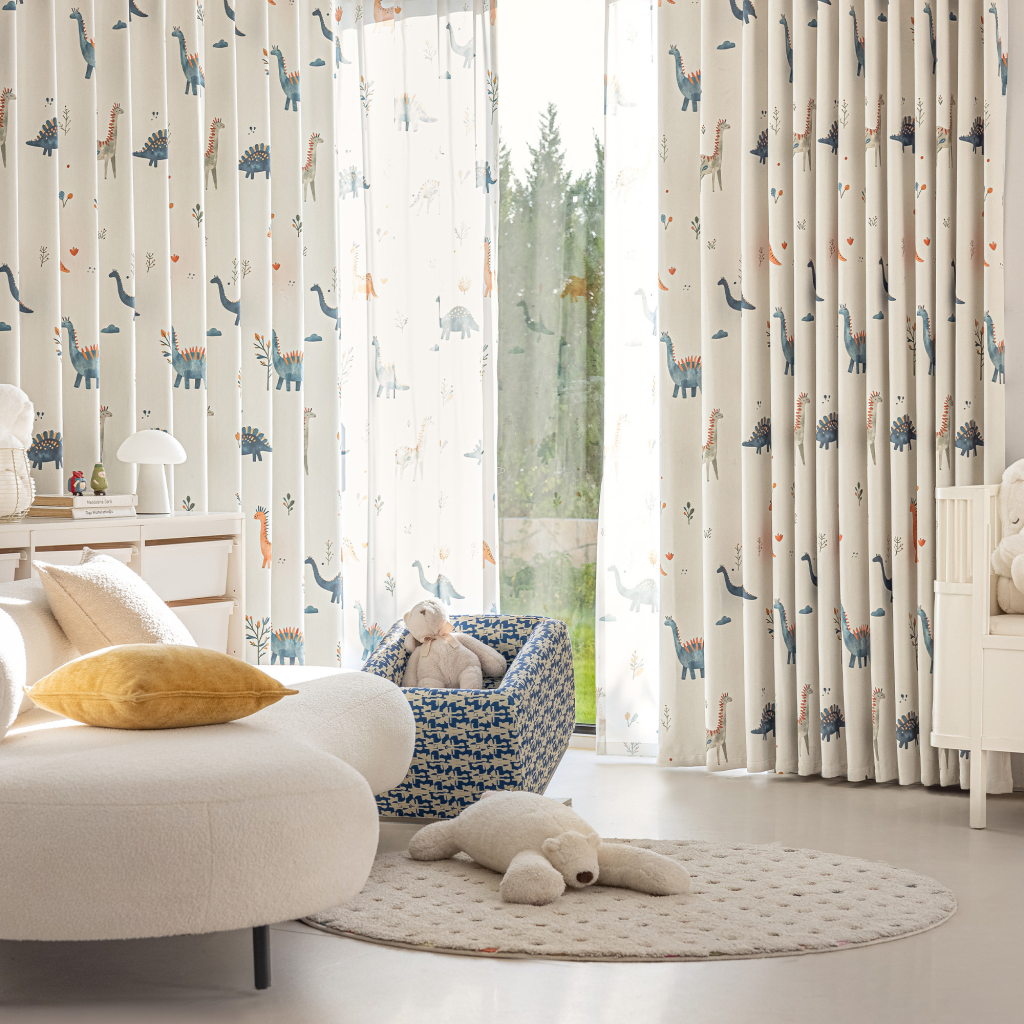
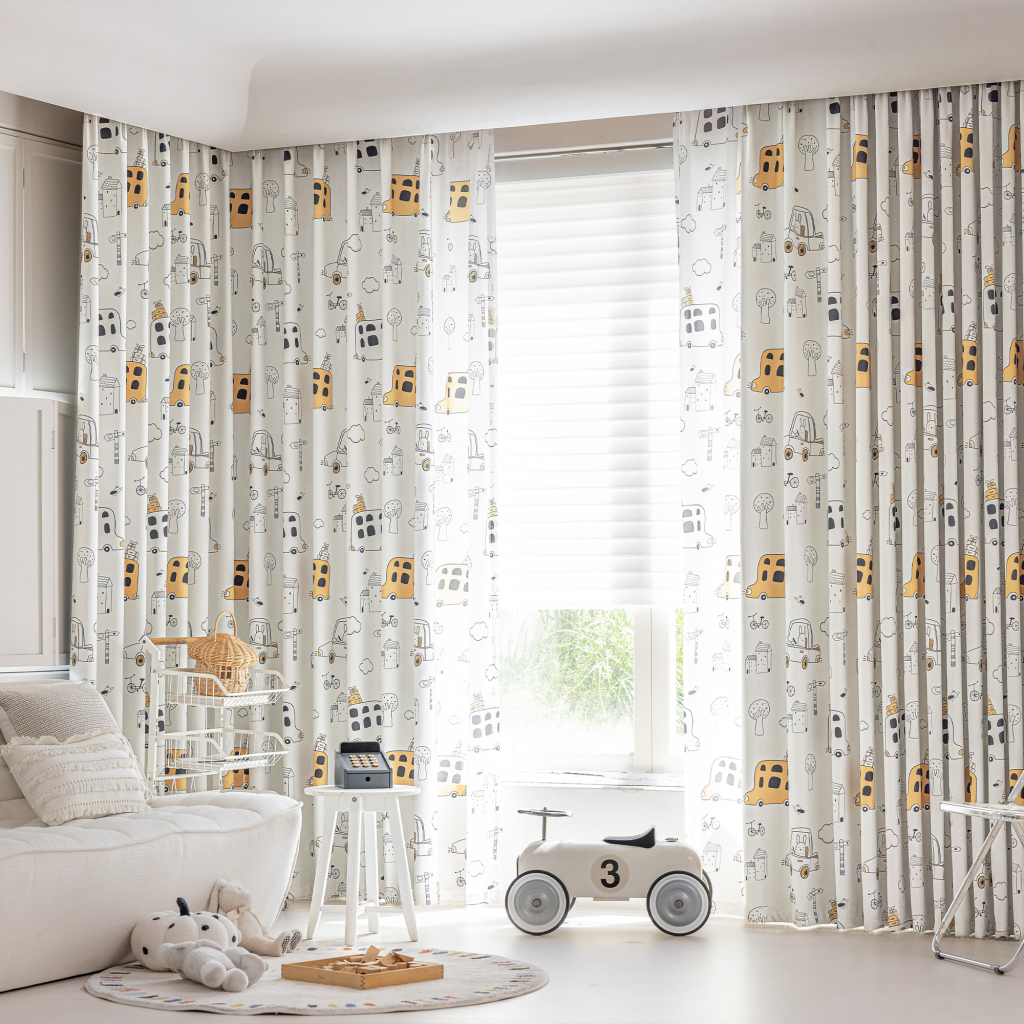
Creating a More Comfortable Room Temperature
Windows are one of the main areas where indoor temperature changes occur.
During summer, direct sunlight passing through windows can increase room temperature, while cold air can enter through windows during winter.
Thicker nursery curtains with thermal insulation properties help maintain a more stable indoor environment throughout the year.
This creates a more comfortable space for babies while also helping improve household energy efficiency by reducing heat loss during colder months and limiting excessive heat from sunlight during warmer seasons.
Reducing Outside Disturbances
Curtains made from dense, high-quality fabrics can help absorb part of the sounds coming from outside, such as traffic noise, conversations, or neighborhood activity.
For babies with lighter sleep, reducing environmental noise can contribute to a calmer sleeping environment and fewer interruptions.
A quieter nursery helps create a more relaxing atmosphere, allowing babies to enjoy more peaceful rest.
1.2 Hidden Safety Risks of Poor-Quality Nursery Curtains
While curtains are an important part of nursery decoration, safety should always remain the first priority.
Some standard household curtains may include features that are not suitable for baby rooms, such as:
- Hanging cords;
- Loose decorative accessories;
- Poor-quality fabrics;
- Unverified chemical treatments.
As babies become more mobile through rolling, crawling, and standing, these details may create potential safety concerns.
Small detachable decorations can become choking hazards, while unsuitable materials may irritate sensitive baby skin.
For this reason, choosing nursery curtains requires careful attention to construction, materials, and safety features rather than focusing only on appearance or price.
A safe nursery environment starts with thoughtful choices in every detail, including window treatments.
2. Essential Safety Standards for Baby Room Curtains
Safety is the foundation of nursery curtain selection.
A baby room should be designed to minimize potential risks while providing a comfortable environment for sleep, play, and everyday activities.
When choosing curtains for a nursery, several important factors should be considered, including cordless designs, safe fabrics, secure construction, and easy maintenance.
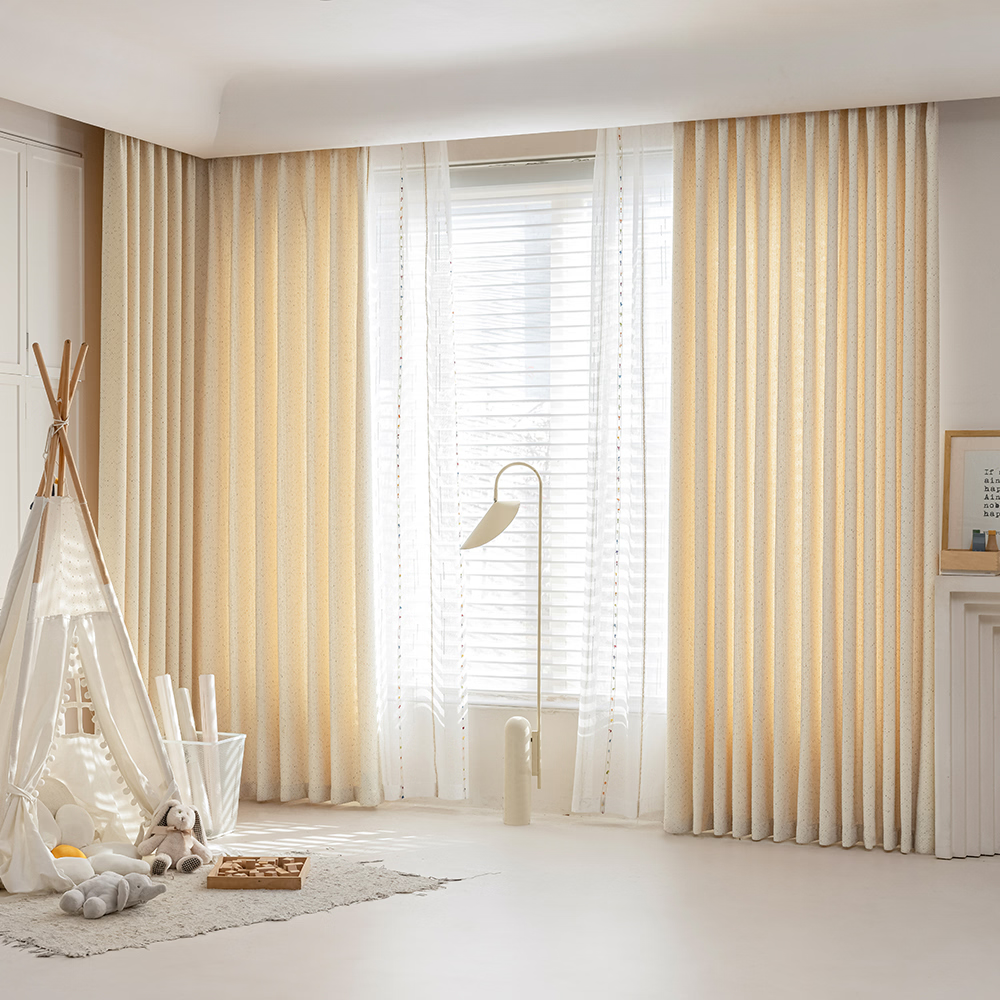
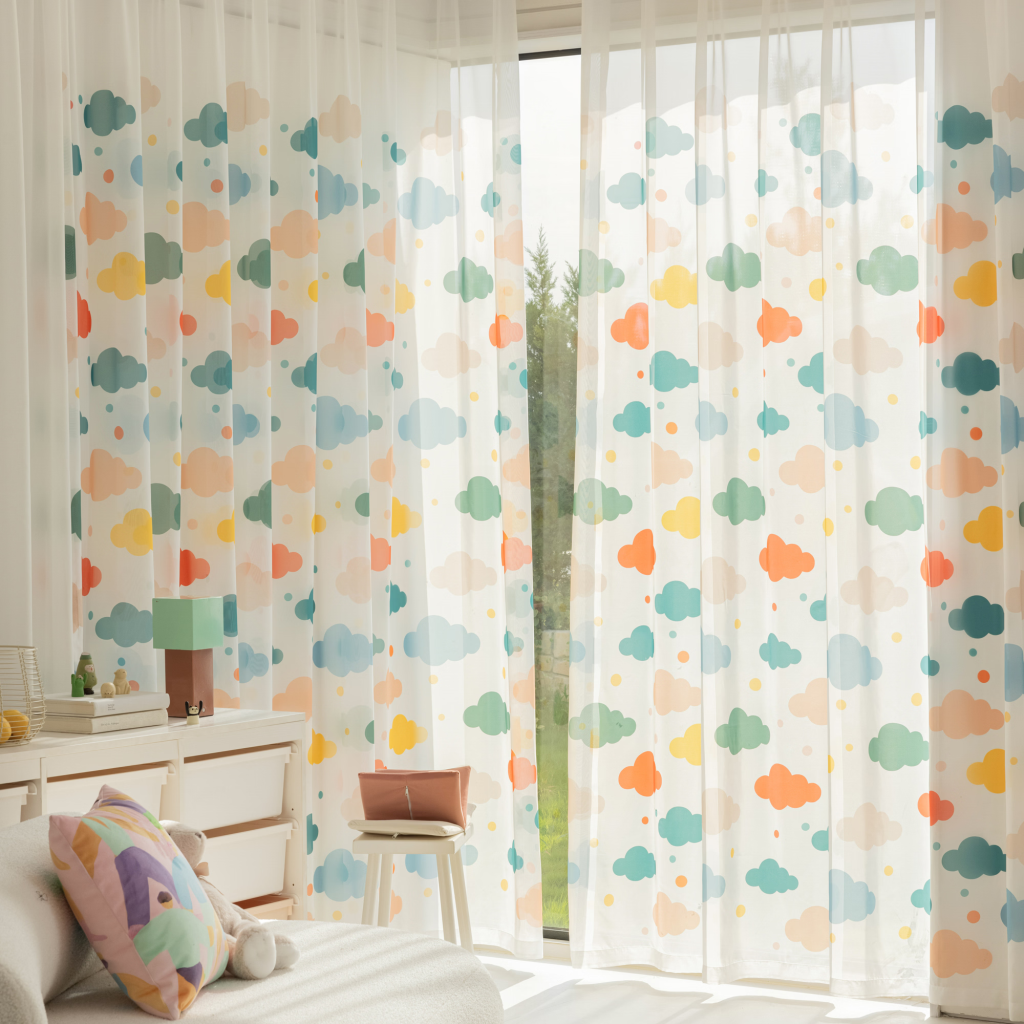
2.1 Cord-Free Design: The Top Safety Priority
One of the most important recommendations for nursery curtains is choosing cordless designs.
Traditional hanging cords may present risks for young children, especially as babies become able to move independently and explore their surroundings.
Cord-free curtain solutions create a cleaner and safer window area, making them a preferred choice for nurseries and children’s spaces.
2.1.1 Why Curtain Cords Can Be Dangerous for Infants
Babies naturally interact with objects around them by grabbing, pulling, and exploring.
Once children can stand in their crib or move closer to windows, loose cords may create risks of:
- Finger or hand entanglement;
- Pulling accidents;
- Neck entanglement hazards.
Even shortened cords or additional safety accessories cannot completely eliminate every possible risk, as active toddlers may still reach and interact with window coverings.
Choosing cordless curtains from the beginning helps create a safer nursery environment and avoids the need to replace curtains later as your child grows.
2.2 Safe Fabric Certifications & Non-Toxic Material Standards
A baby’s skin is more delicate and sensitive than adult skin, which means the fabrics used in a nursery should be carefully selected.
Professional nursery design recommendations emphasize choosing curtains made from safe, high-quality materials that avoid unnecessary chemical treatments.
When selecting baby room curtains, it is recommended to prioritize fabrics that are:
- Free from harmful substances;
- Made with safe dyes and finishes;
- Soft and comfortable against delicate skin;
- Suitable for daily use in family living spaces.
Choosing fabrics with recognized safety certifications can provide additional reassurance for parents.
Low-cost curtains without clear material information or safety testing may contain unwanted residues from manufacturing processes. For babies with sensitive skin, these materials may cause discomfort or irritation.
For this reason, nursery curtains should not be selected based only on appearance or price. Material quality, production standards, and long-term safety should always be considered.
2.3 Avoiding Choking and Entanglement Risks
Loose decorative elements are another important safety consideration in baby rooms.
Professional nursery guidelines generally recommend avoiding curtains with:
- Detachable beads;
- Pom-poms;
- Loose tassels;
- Unsecured decorative trims.
As babies explore their surroundings, they may touch, pull, or chew on nearby objects. Small decorative pieces that become detached may create potential choking hazards.
Curtain length should also be carefully considered. Extremely long floor-length curtains placed close to a crib or play area may create additional risks, including:
- Tripping hazards;
- Excessive pulling by curious toddlers;
- Potential stress on curtain rods or mounting systems.
For a nursery, simple, secure, and well-constructed curtain designs are often the safest and most practical choice.
3. Best Soft & Baby-Friendly Curtain Materials for Nurseries
The best nursery curtains should combine several important qualities:
- Safe and gentle materials;
- Soft texture;
- Long-lasting durability;
- Practical everyday performance.
Different fabrics offer different advantages. Among the most suitable options for baby rooms, three categories stand out for their comfort, functionality, and versatility.
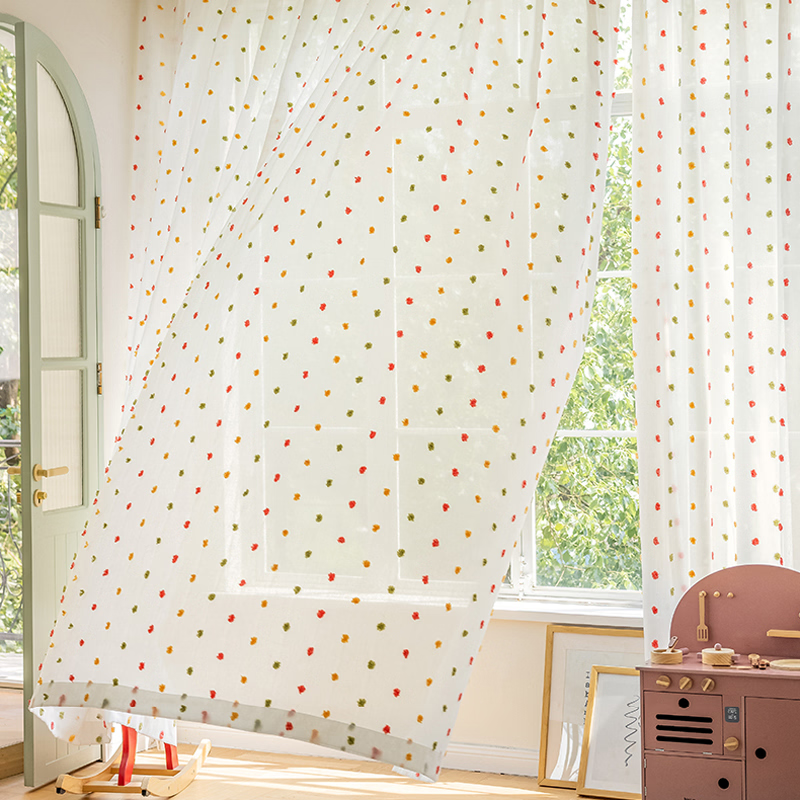
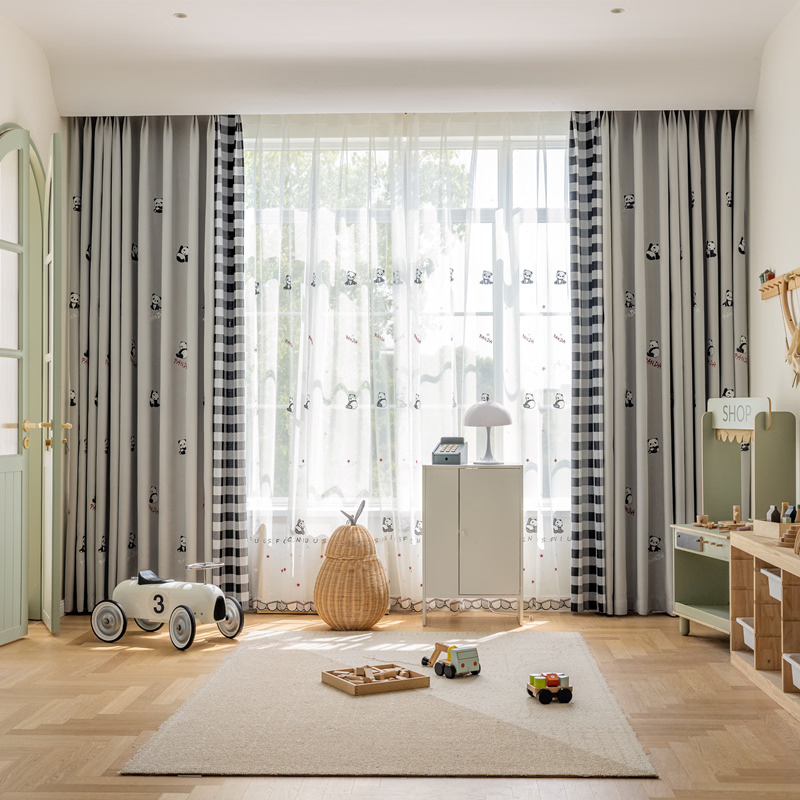
3.1 Organic Cotton: A Natural Choice for Sensitive Baby Skin
Organic cotton is one of the most popular natural materials for nursery curtains.
Produced with reduced use of pesticides, synthetic fertilizers, and unnecessary chemical additives, organic cotton is known for its softness, breathability, and natural comfort.
Key benefits of organic cotton curtains include:
- A gentle texture suitable for delicate skin;
- Excellent breathability;
- A lightweight and natural appearance;
- A comfortable atmosphere for baby rooms.
Its soft drape allows natural daylight to be gently filtered, creating a warm and peaceful environment that is ideal for daytime naps.
Another advantage of organic cotton is its timeless appearance. Its natural texture works beautifully with modern, Scandinavian, minimalist, and natural interior styles.
The main limitation of organic cotton is that it may require more careful maintenance compared with some synthetic fabrics, especially when dealing with stains.
However, for many families, its natural feel and comfort make it a valuable choice for nursery spaces.
3.2 Linen Blends: Breathable, Durable & Naturally Elegant
Cotton-linen blends offer an excellent balance between aesthetics, durability, and everyday comfort.
Linen brings a refined natural texture and a relaxed appearance, while cotton adds softness and helps create a more comfortable touch.
This blended material offers several advantages:
- Good air permeability;
- A soft and natural feel;
- A durable structure;
- A timeless decorative style.
During warmer seasons, cotton-linen curtains help create a more breathable atmosphere and reduce the feeling of stuffiness in the room.
They also provide moderate light filtering and contribute to a softer indoor environment, making them a versatile choice for parents who want both functionality and elegant decoration.
With their natural texture and understated beauty, linen blend curtains can easily adapt as children grow and room styles evolve.
3.3 Premium Polyester Blends: Easy Care & Everyday Practicality
For busy families looking for easy maintenance, high-quality polyester blends can also be a practical choice for nursery curtains.
Modern premium polyester fabrics are very different from traditional low-quality synthetic materials. When properly manufactured, they can offer a soft feel, durability, and excellent everyday performance.
Their main advantages include:
- Easy cleaning and maintenance;
- Good resistance to daily stains;
- Durable performance;
- Effective light control;
- Improved thermal insulation.
Baby rooms often experience everyday accidents, such as:
- Milk spills;
- Food stains;
- Small messes during daily activities.
Easy-care fabrics help parents maintain a clean and comfortable environment with less effort.
When choosing polyester blend curtains for a nursery, it is important to prioritize high-quality fabrics with safe manufacturing standards rather than choosing based only on low price.
4. Stylish Nursery Curtain Trends That Grow With Your Baby
Modern nursery design increasingly focuses on creating spaces that can evolve with children over time.
Instead of choosing designs that only suit the newborn stage, many parents now prefer curtains that remain beautiful and practical throughout childhood.
The best nursery curtain styles combine:
- Timeless colors;
- Simple designs;
- Flexible decoration possibilities.
These choices allow families to create a nursery that feels special today while remaining suitable for future room updates.
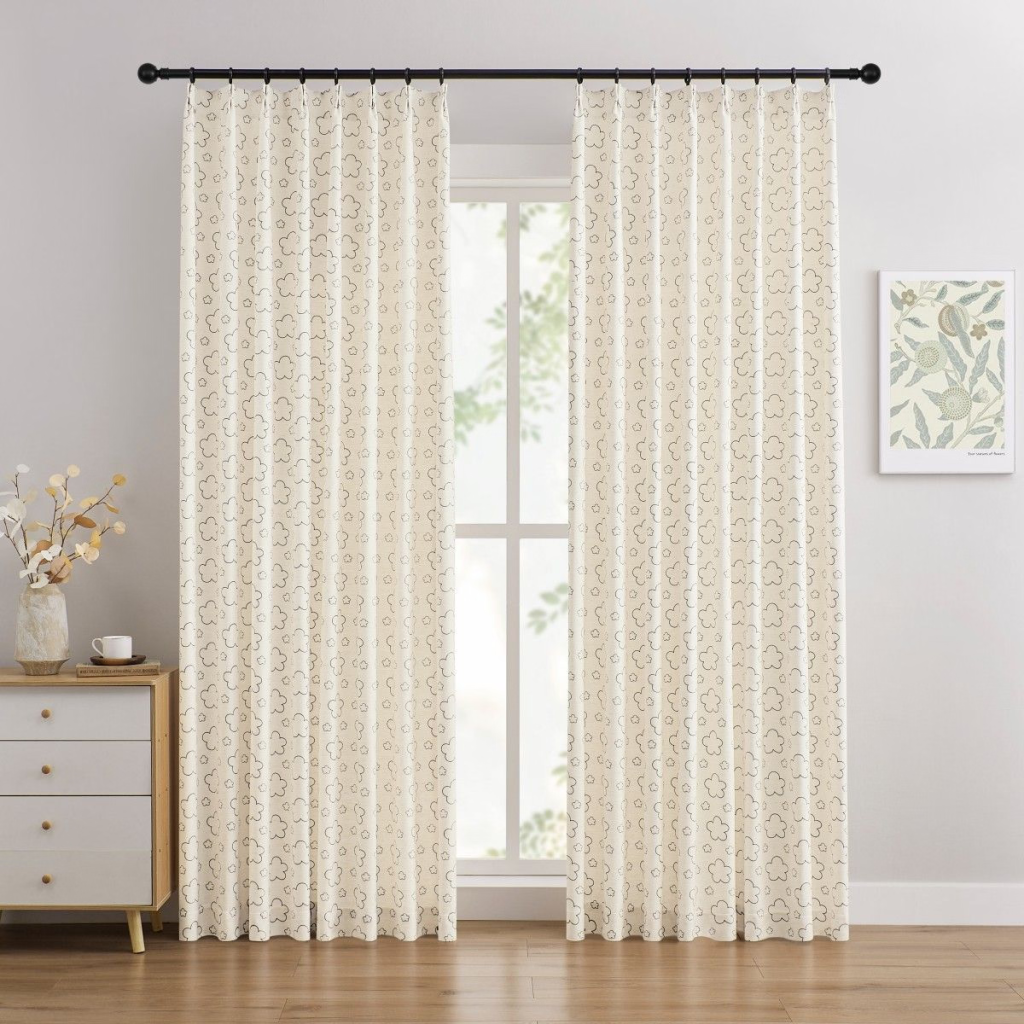
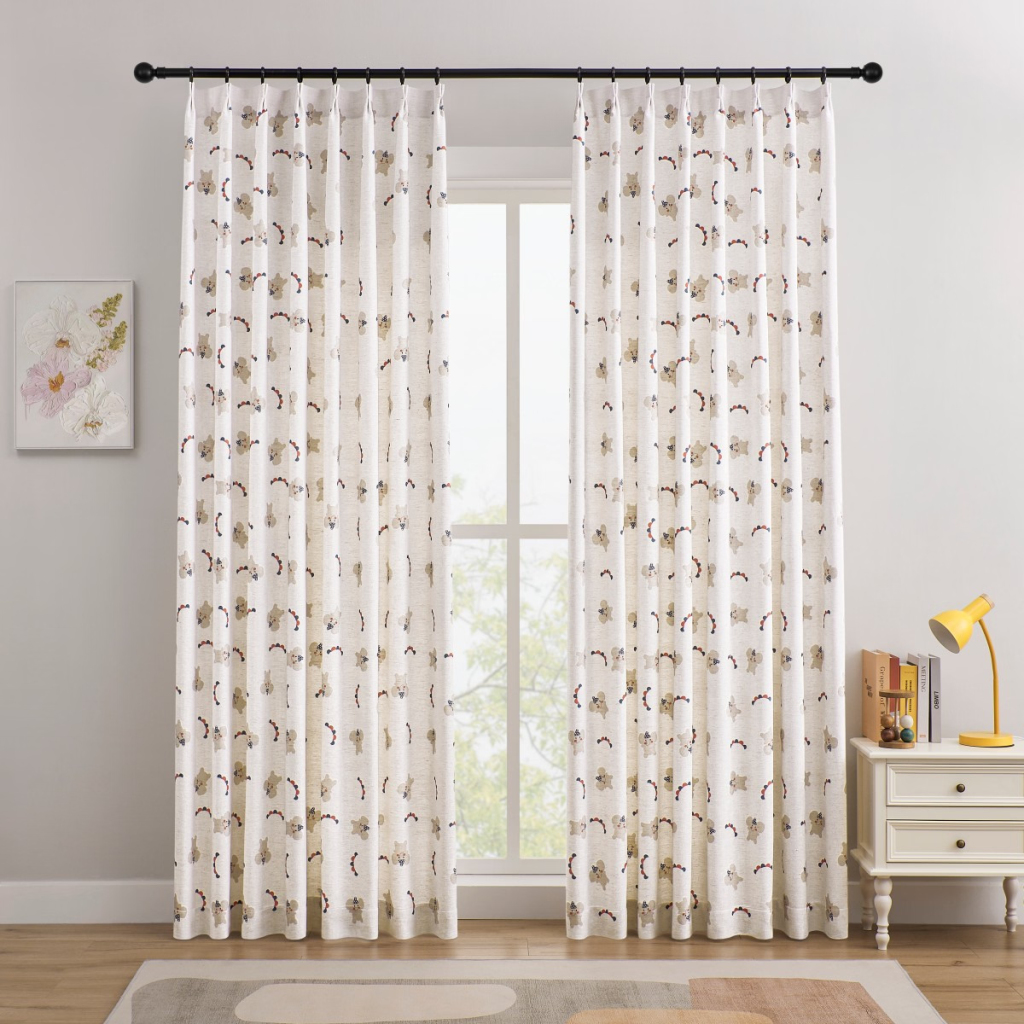
4.1 Timeless Gender-Neutral Color Palettes
Modern nursery design is moving away from traditional color rules and embracing softer, gender-neutral shades.
Popular choices include:
- Sage green;
- Warm beige;
- Cream;
- Soft terracotta;
- Light gray.
These low-saturation colors offer several benefits:
- They create a calm visual environment;
- They are gentle and soothing;
- They pair easily with different furniture styles.
One of the biggest advantages of neutral colors is their ability to adapt over time.
A curtain chosen for a baby room can continue to work beautifully in a toddler room or children’s bedroom, reducing the need for frequent replacements.
4.2 Minimalist & Modern Nursery Curtain Designs
Minimalist curtain designs have become increasingly popular in modern nurseries because of their simplicity, versatility, and timeless appeal.
Simple solid-color curtains with subtle textures create a calm and relaxing atmosphere without overwhelming the room.
For baby spaces, minimalist designs offer several advantages:
- They reduce excessive visual stimulation;
- They create a peaceful sleeping environment;
- They are easy to coordinate with different furniture styles;
- They avoid unnecessary decorative elements that may create safety concerns.
Curtains with clean lines and refined textures work beautifully with modern, Scandinavian, and contemporary interiors.
Their understated appearance allows the nursery to feel elegant and comfortable while remaining practical as children grow.
Unlike highly themed children’s curtains that may quickly feel outdated, minimalist designs can continue to complement the room for many years.
4.3 Boho & Farmhouse Soft Aesthetic Options
For parents who want to create a warmer and more personalized nursery, soft boho and farmhouse-inspired curtains are excellent choices.
These styles often feature:
- Natural textures;
- Soft neutral tones;
- Subtle patterns;
- Carefully finished details.
Farmhouse-inspired curtains in cream, ivory, or warm beige tones create a cozy and welcoming atmosphere.
Boho-style curtains bring additional depth through woven textures and natural-inspired designs, adding character to simple walls while maintaining a calm feeling.
Compared with highly colorful cartoon-themed curtains, these timeless styles are more adaptable. They can easily transition from a baby room to a toddler or children’s bedroom without needing immediate replacement.
5. Key Functional Features to Elevate Baby Room Comfort
High-quality nursery curtains should provide more than visual appeal. They should actively improve the comfort of the space through practical functions.
The three most important features include:
- Effective light control;
- Noise reduction;
- Thermal insulation.
These functions make nursery curtains a long-term investment that supports both baby comfort and everyday family life.
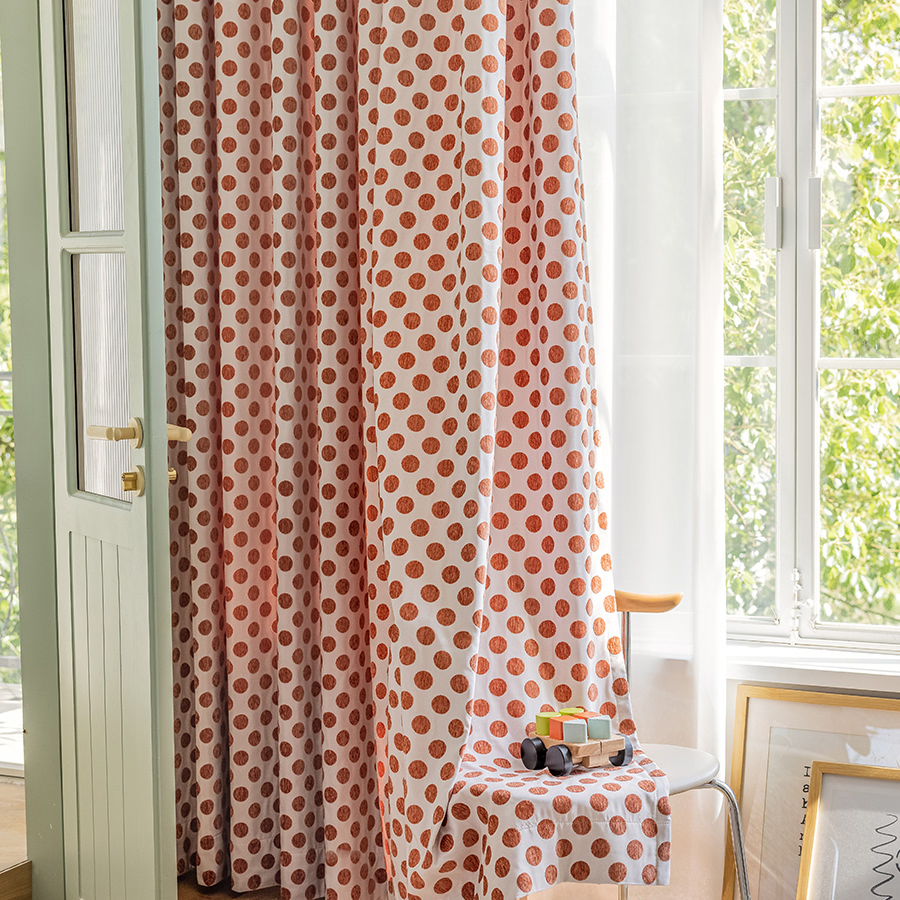
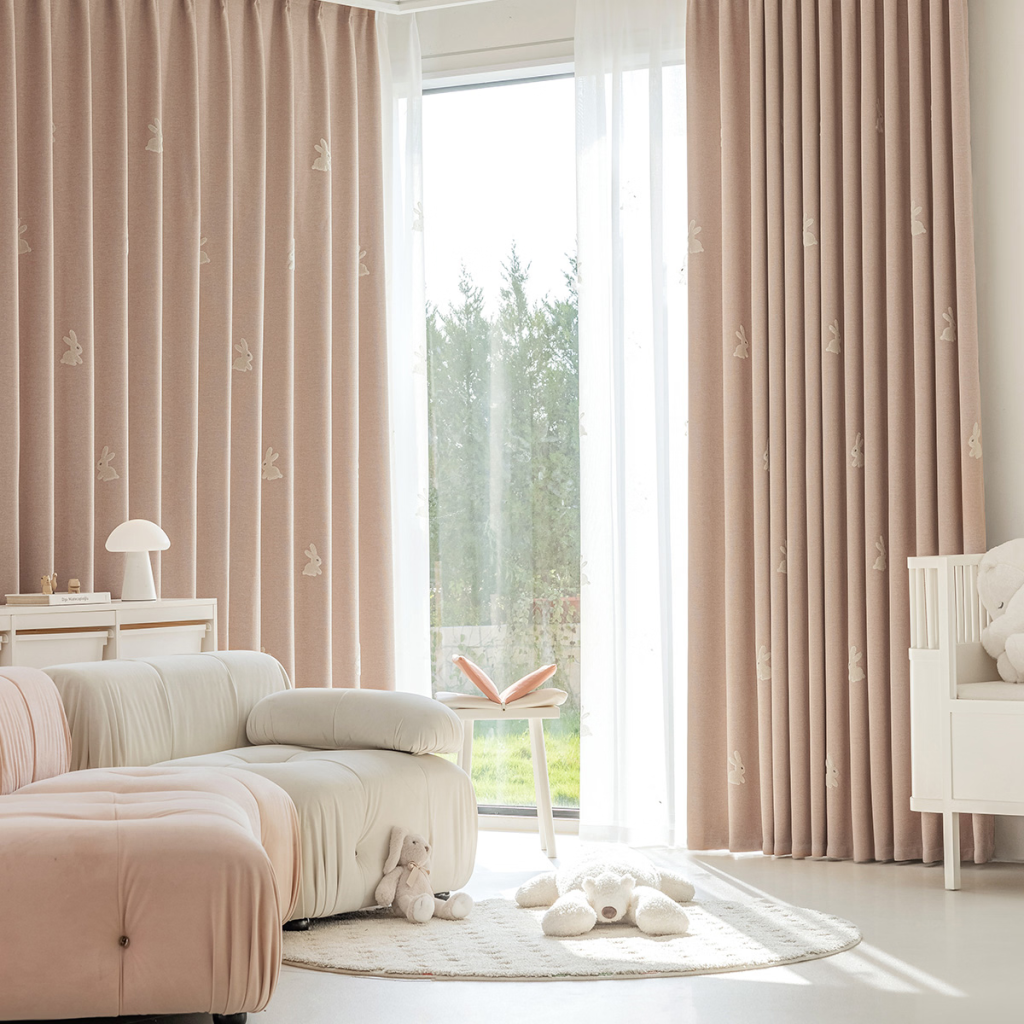
5.1 Light Control: Balancing Daytime Activity and Rest
Babies have developing circadian rhythms, which means their sleep patterns are strongly influenced by their surrounding environment.
Too much light during naps or early morning hours can interrupt sleep, while a completely dark room during daytime activities may not always be ideal.
The right nursery curtains provide flexible light control.
Sheer Curtains
Lightweight sheer curtains help:
- Diffuse strong sunlight;
- Create soft natural lighting;
- Maintain a bright and pleasant daytime environment.
They are ideal for playtime, reading, and daily activities when gentle daylight is preferred.
Blackout Curtains
Blackout curtains help:
- Reduce unwanted outside light;
- Create a darker sleeping environment;
- Support longer and more comfortable rest periods.
A combination of sheer curtains and blackout curtains allows parents to easily adjust the room atmosphere according to different times of the day.
This flexible approach helps create the perfect balance between activity, relaxation, and sleep.
5.2 Noise Reduction for a More Peaceful Baby Sleep Environment
Thicker, high-quality curtain fabrics can act as a natural sound-softening layer.
They help absorb some external sounds, including:
- Traffic noise;
- Outdoor conversations;
- Neighborhood activity.
For babies who are sensitive to noise, reducing sudden sounds can help create a calmer sleeping environment.
While curtains cannot completely block all sounds, dense fabrics can contribute to a quieter atmosphere and help reduce unnecessary interruptions during rest periods.
5.3 Thermal Insulation for Stable Room Temperatures
Babies are more sensitive to temperature changes than adults.
Windows are often one of the main areas where heat exchange occurs, allowing warmth to enter during summer and cold air to affect indoor comfort during winter.
Nursery curtains with thermal insulation properties help maintain a more stable room temperature by:
- Reducing excessive heat from sunlight;
- Limiting cold drafts;
- Improving overall indoor comfort.
A more stable environment helps babies feel comfortable throughout the year while also supporting better household energy efficiency.
6. Common Mistakes to Avoid When Choosing Nursery Curtains
Choosing nursery curtains requires more attention than simply selecting a color or pattern.
Avoiding common mistakes can help create a safer and more comfortable environment for your baby.
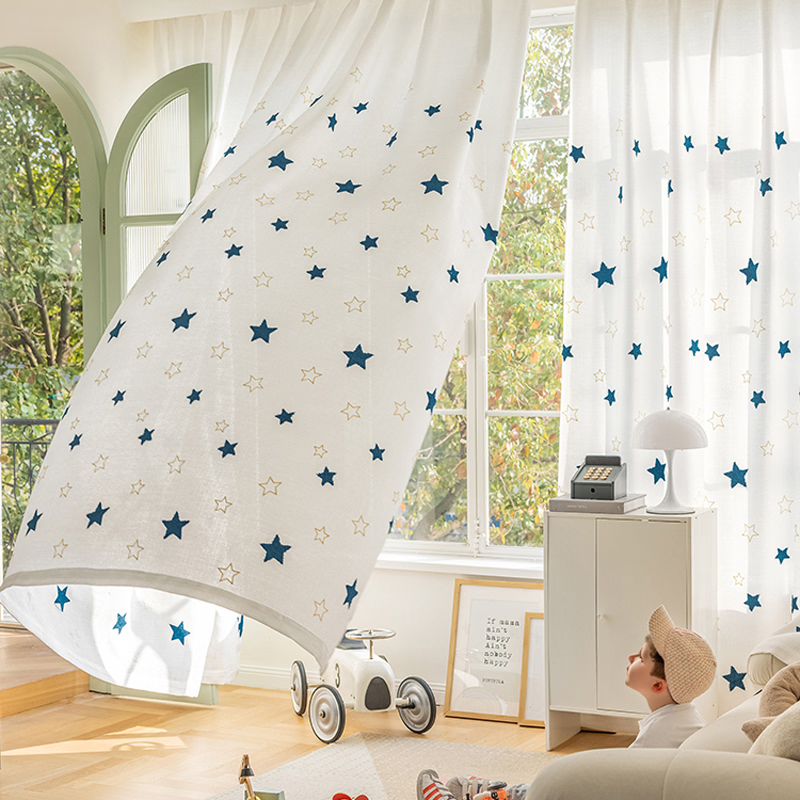
1. Choosing Price Over Safety
One of the biggest mistakes is selecting curtains only based on a low price.
Very inexpensive curtains may lack:
- Clear material information;
- Safety testing;
- Quality construction;
- Durable performance.
For a baby room, safety and quality should always come before short-term savings.
2. Choosing Curtains That Are Too Long Near Baby Areas
Floor-length curtains can create an elegant look, but their placement should be carefully considered in nurseries.
Curtains that are too long near a crib or play area may:
- Become easier for babies to grab and pull;
- Create tripping risks;
- Affect curtain hardware stability.
Proper installation and suitable curtain length are important parts of nursery safety.
3. Selecting Overly Bright or Highly Decorative Designs
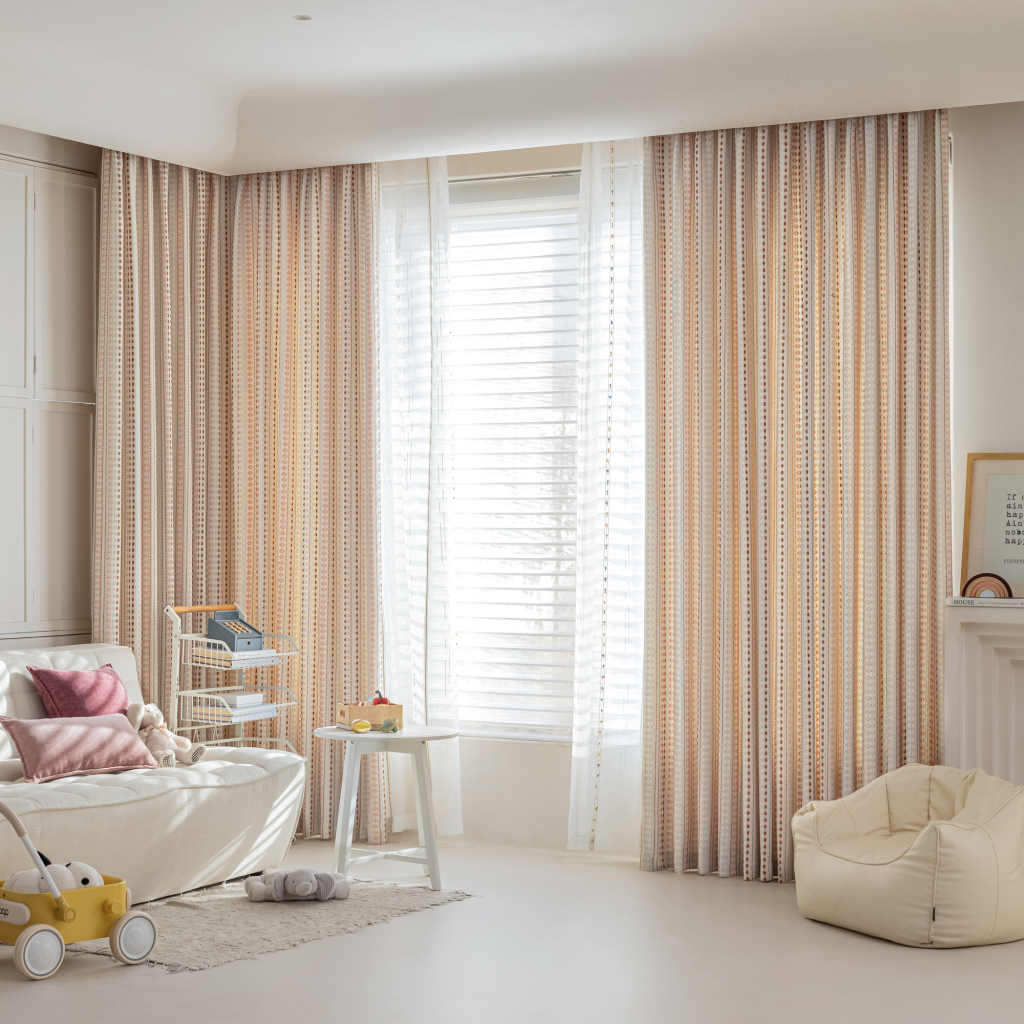
While playful designs may seem attractive, overly bright colors or complicated patterns may not always be the best choice for a baby room.
Curtains with excessive decorative elements may:
- Create too much visual stimulation;
- Be harder to clean;
- Include small parts that could become detached.
Soft colors, simple patterns, and natural textures are usually better suited for creating a calm nursery environment.
4. Ignoring Maintenance Requirements
Baby rooms require regular cleaning and care.
Curtains should ideally be:
- Easy to maintain;
- Durable;
- Suitable for everyday family life.
Washable and practical fabrics make it easier to keep the nursery fresh and comfortable over time.
5. Choosing Curtains with Cords
Traditional corded curtain designs should be avoided in baby rooms whenever possible.
Cordless solutions provide:
- A cleaner appearance;
- Improved safety;
- Greater peace of mind for parents.
Creating a safe nursery from the beginning helps ensure a comfortable environment as children grow.
7. Final Thoughts: Choosing the Perfect Nursery Curtains
The ideal nursery curtains combine three essential qualities:
1. Reliable Safety
A suitable baby room curtain should include:
- Cord-free designs;
- Secure construction;
- Safe and carefully selected materials.
Safety should always be the first consideration when designing a nursery.
2. Soft and Comfortable Fabrics
The right curtain material can significantly influence the feeling of the room.
Whether choosing natural cotton and linen blends or easy-care high-quality fabrics, nursery curtains should offer:
- A soft touch;
- Comfortable everyday use;
- Long-lasting durability.
3. Timeless Style That Grows With Your Child
A well-designed nursery curtain should not only look beautiful during the newborn stage but also continue to fit the room as your child grows.
Classic colors, natural textures, and simple designs offer long-term value and allow the room to evolve over time.
Create a Safe, Comfortable & Beautiful Nursery with Sophora Déco
At Sophora Déco, we believe that every detail in a baby room should combine comfort, safety, and style.
Our custom-made curtains allow families to create window solutions that fit their space perfectly while choosing from a variety of fabrics, colors, and finishes.
The right nursery curtains can help:
- Create a peaceful sleeping environment;
- Control natural light throughout the day;
- Improve indoor comfort;
- Complete the overall nursery decoration.
From soft natural textures to functional blackout fabrics, Sophora Déco offers customizable curtain solutions designed to help families create a warm and welcoming space where babies can grow.
A beautiful nursery is not only about decoration. It is about creating a comfortable environment filled with care, softness, and lasting memories.
8. Frequently Asked Questions About Nursery & Baby Room Curtains
Q1: Are blackout curtains safe for newborn nurseries?
Yes, blackout curtains can be a safe and practical choice for newborn nurseries when they are designed with safety in mind.
For a baby room, choose blackout curtains that include:
- Cord-free designs;
- Safe and high-quality fabrics;
- Secure construction without loose decorative elements.
Blackout curtains can be especially helpful for newborns who need frequent and uninterrupted sleep. By reducing unwanted outside light, they help create a darker and more comfortable resting environment.
However, parents should always prioritize professionally made curtains with reliable materials rather than choosing uncertified low-quality products.
Q2: What is the safest curtain material for sensitive baby skin?
Natural fabrics such as organic cotton are often considered excellent choices for babies with sensitive skin because of their softness, breathability, and comfortable texture.
Organic cotton curtains provide:
- A gentle feel;
- Good airflow;
- A natural appearance;
- Comfortable everyday use.
For families looking for additional durability and easier maintenance, high-quality cotton-linen blends and carefully selected polyester blends can also be suitable options.
The most important factor is choosing safe, well-made fabrics that meet quality standards and are appropriate for daily use in a nursery.
Q3: Do I need cordless curtains even if my baby is still a newborn?
Yes.
Even though newborn babies may not yet be able to move independently, they develop new skills very quickly.
Babies soon begin to:
- Roll over;
- Crawl;
- Stand;
- Explore their surroundings.
Choosing cordless curtains from the beginning helps create a safer environment and avoids the need to replace window treatments later.
A thoughtfully designed nursery should consider not only the baby’s current stage but also future growth.
Q4: Can nursery curtains help improve baby sleep quality?
Yes.
Nursery curtains can contribute to a more comfortable sleeping environment by helping control several important factors:
- Natural light exposure;
- Outside disturbances;
- Room temperature.
Blackout curtains can reduce unwanted brightness, while thicker fabrics may help soften external sounds and provide better thermal comfort.
By creating a calmer and more stable environment, suitable nursery curtains can support better rest and more comfortable sleep routines for babies.
Q5: What curtain colors are best for reducing baby overstimulation?
Soft, low-saturation colors are generally the best choice for creating a calm nursery atmosphere.
Popular options include:
- Sage green;
- Warm cream;
- Light beige;
- Soft gray;
- Natural neutral tones.
These gentle colors create a peaceful visual environment and pair easily with different nursery furniture styles.
Compared with very bright colors or highly complex patterns, neutral shades provide a more timeless look that can continue to work beautifully as children grow.