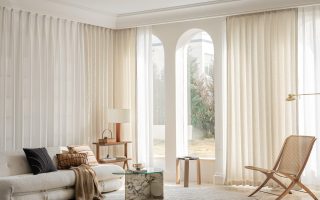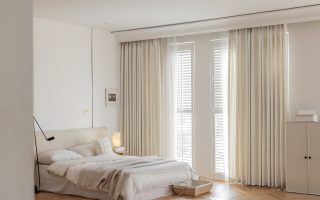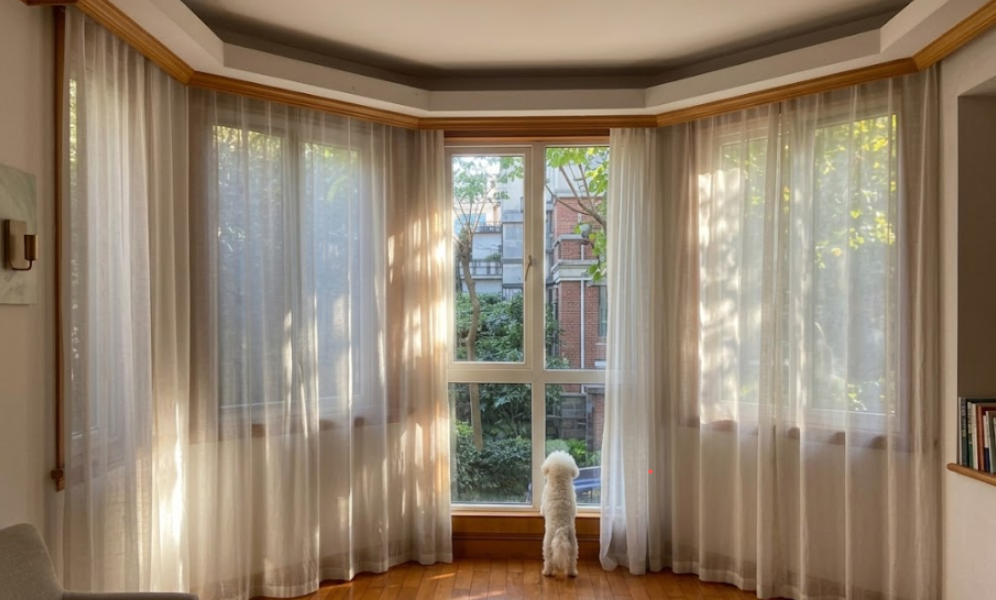
When summer arrives, indoor temperatures can rise quickly—especially in rooms with large windows or strong afternoon sun. Even with the air conditioner running, your home may still feel warmer than expected.
One of the main reasons is solar heat gain through windows. Strong sunlight can quickly warm floors, furniture, walls, and other interior surfaces. Over time, prolonged UV exposure may also contribute to fading fabrics and upholstery, discoloration of finishes, and other sun-related wear.
A simple way to improve summer comfort is to reduce heat and sunlight directly at the window. Thermal curtains, blackout curtains, cellular shades, and other heat-control window treatments can help limit solar heat gain while also improving privacy and protecting interior furnishings.
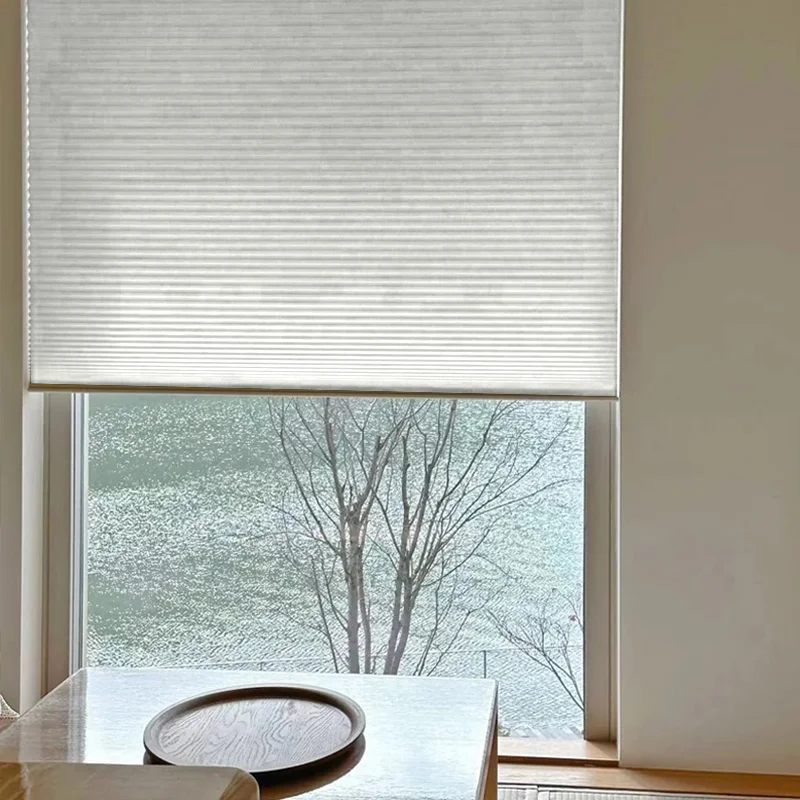
When choosing window treatments for hot weather, keep these points in mind:
- Choose dense or sun-blocking fabrics, such as polyester blends or window treatments with reflective layers, to help reduce heat and UV exposure.
- Use a protective lining with delicate natural fabrics such as linen, cotton, or silk, especially on windows that receive strong direct sunlight.
- For cellular or honeycomb shades, pay attention to the overall construction quality, since the shade may be exposed to significant heat near the glass.
- When choosing treated fabrics, especially for nurseries or sensitive spaces, review the material and coating information carefully.
Why Thermal Curtains Matter
Thermal curtains, sometimes called insulated curtains, are designed to create an extra barrier between the window and the room.
Unlike lightweight decorative curtains, thermal curtains often feature multiple fabric layers or an added thermal lining. Depending on the construction, they may include a tightly woven face fabric, an insulating inner layer, and a backing designed to reduce heat transfer.
During summer, thermal curtains help reduce direct sunlight and heat entering through the window. In winter, the same layered construction can help limit drafts and reduce heat loss around the glass.
Some thermal curtains may also provide additional light control and help soften outside noise.
Their overall performance depends on several factors, including:
- Fabric density and thickness
- The type of thermal or blackout lining
- Curtain width and length
- How completely the curtain covers the window
- The amount of direct sunlight the window receives
Proper sizing is particularly important. A curtain that extends beyond the window frame and provides good coverage at the sides and bottom will generally perform better than one that fits only the exact dimensions of the glass.
How to Choose Thermal Window Treatments by Room and Sun Exposure
Different rooms—and different window orientations—require different types of heat control.
A small west-facing kitchen window may benefit from a compact shade, while a large living room or bedroom window may need full-length lined curtains.
Here are five practical options to consider.
1. For Small Windows With Strong Sun Exposure: Cellular Shades
Cellular shades, also known as honeycomb shades, are a practical choice for smaller windows that receive strong sunlight.
Their honeycomb-shaped cells trap air inside the shade, creating an insulating layer between the window and the room. This structure helps slow heat transfer and can make sun-exposed rooms feel more comfortable.
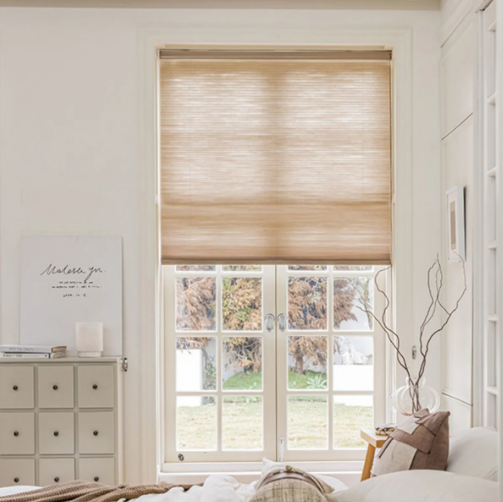
Some cellular shades also include an internal reflective layer for additional heat control. Depending on the window, installation, and construction, this type of shade may help noticeably reduce heat buildup near the glass.
Cellular shades are especially suitable for:
- Home offices
- Kitchens
- Bedrooms
- Small living room windows
- West-facing windows
They also provide a clean, modern appearance without the visual weight of full drapery.
At Sophora Deco, cellular shades are a practical option for homeowners who want a streamlined look with effective light and heat control.
2. For Flexible Light Control: Zebra Shades
For windows with moderate sun exposure, zebra shades offer an excellent balance between daylight, privacy, and convenience.
Their design combines alternating sheer and opaque fabric bands. By adjusting the position of the layers, you can control how much light enters the room without completely raising or lowering the shade.
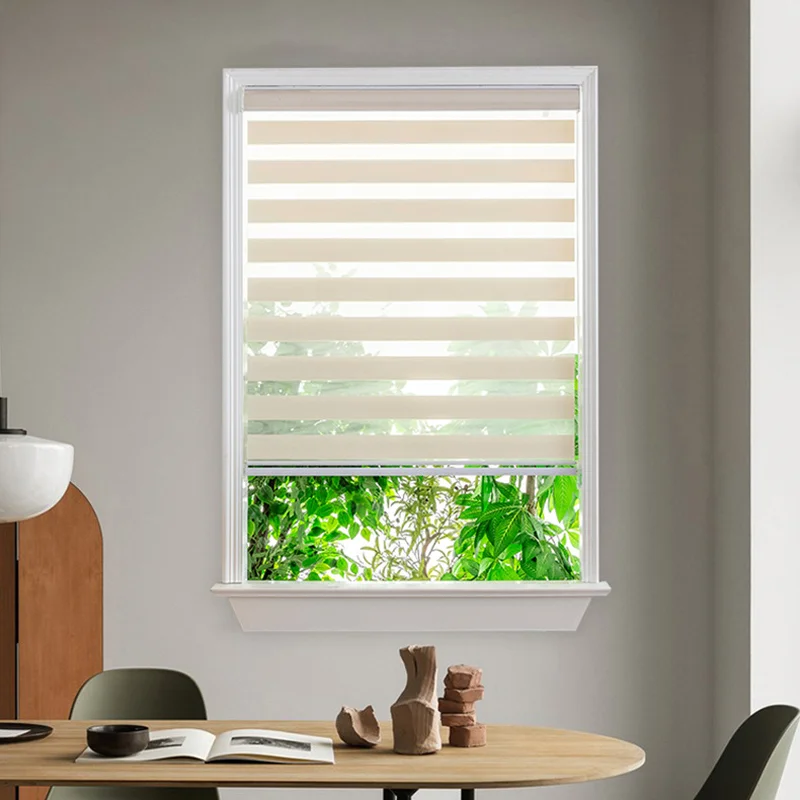
This makes zebra shades particularly useful in:
- Kitchens
- Bathrooms
- Home offices
- Dining areas
Sophora Deco zebra shades are available in performance fabrics designed for everyday use, including options with UV-resistant, moisture-resistant, stain-resistant, or water-repellent properties.
They are a practical choice for rooms where you want adjustable light control without completely darkening the space.
For windows with very intense direct sun, however, a cellular shade or lined curtain may provide stronger heat control.
3. For West-Facing Living Rooms: Light-Filtering Linen-Blend Curtains With Thermal Lining
West-facing living rooms often receive intense afternoon sunlight, which can make the room noticeably warmer during the hottest part of the day.
The challenge is finding a window treatment that reduces heat without making the living room feel dark and closed off.
A practical solution is to combine a light-filtering linen-blend or linen-look curtain with a thermal or blackout lining.
At Sophora Deco, linen-blend curtains provide a soft, natural appearance while allowing you to customize the level of light control with different lining options.
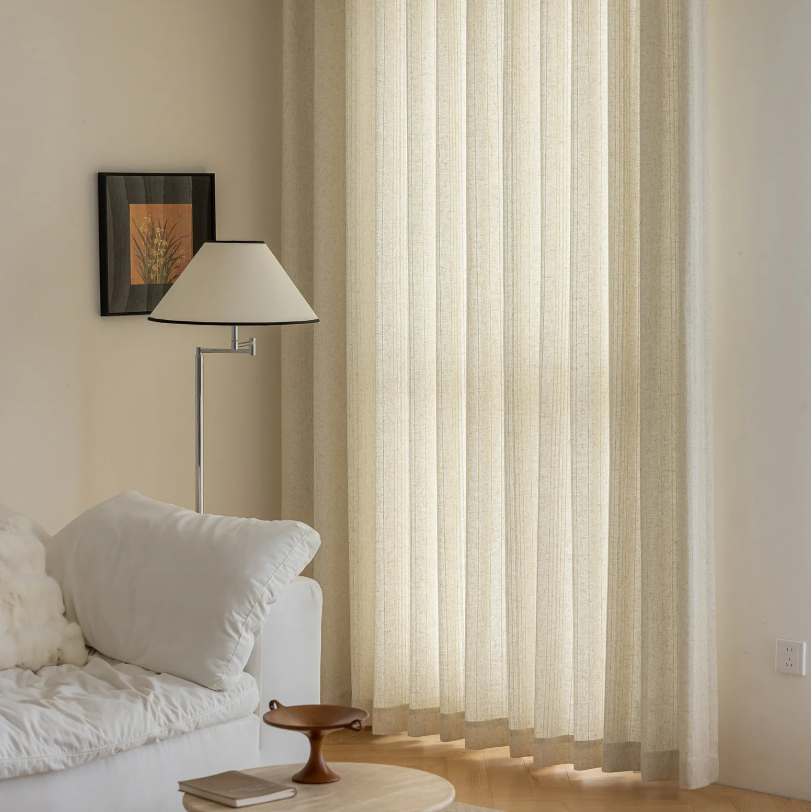
A lined curtain can help improve:
- Heat control
- UV protection
- Privacy
- Light blocking
- Overall drape and structure
This type of combination is especially suitable for living rooms where you still want soft natural light during the day.
Rather than relying on a heavy blackout curtain alone, a decorative linen-look face fabric paired with an appropriate lining creates a more balanced result: comfortable, functional, and visually lighter.
4. For Bedrooms and Nurseries: Heavy Blackout Curtains With Thermal Lining
Bedrooms and nurseries often need stronger light control than other areas of the home.
During summer, early sunrise and long daylight hours can make it difficult to maintain a dark sleeping environment. This is especially noticeable in nurseries, children’s rooms, and bedrooms with east- or west-facing windows.
For these spaces, we recommend heavy blackout curtains with a thermal lining.
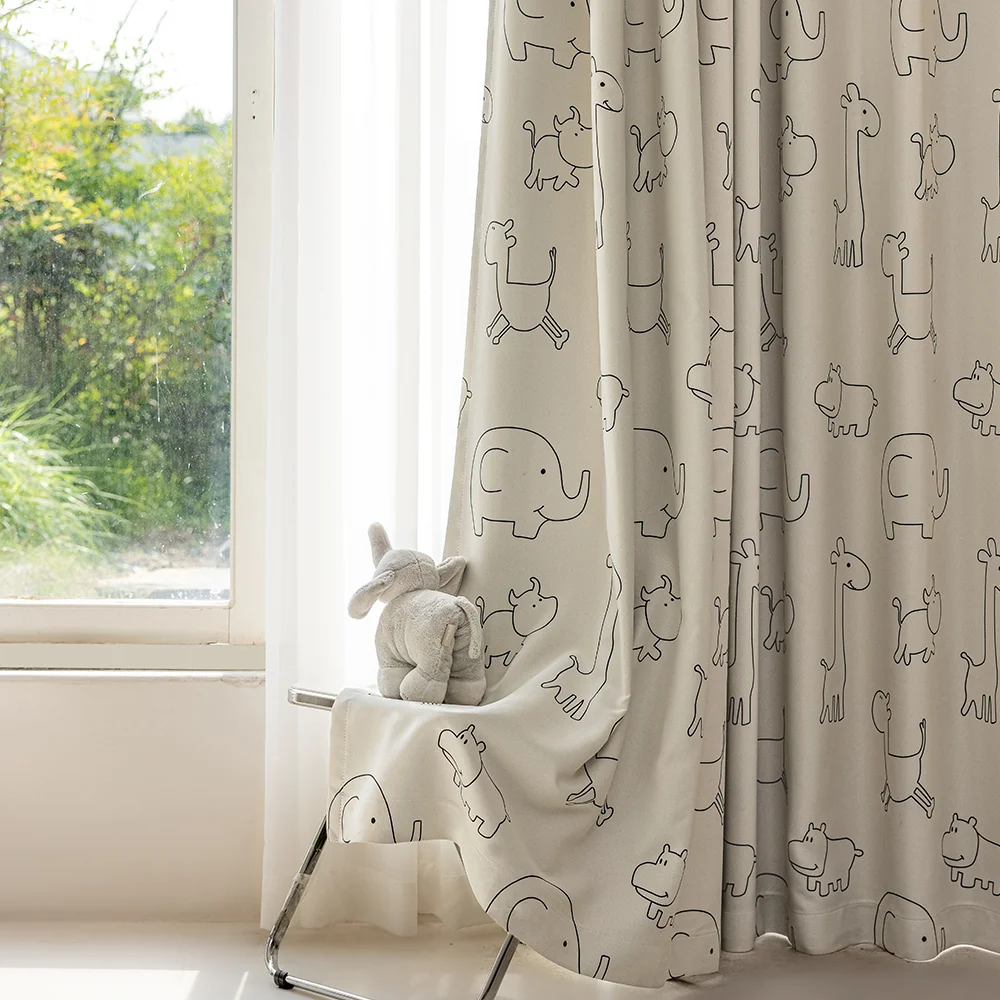
A dense, layered curtain can help:
- Block outside light
- Reduce direct solar heat
- Improve privacy
- Create a darker sleeping environment
- Soften some outside noise
Thicker curtain construction may provide some sound-dampening benefits, although curtains should not be considered a replacement for dedicated soundproofing.
For nurseries and children’s rooms, it is also important to review the fabric, lining, coating, and product information when choosing a window treatment.
At Sophora Deco, heavy blackout curtains are a practical choice for bedrooms where strong light control, comfort, and privacy are priorities.
5. For Maximum Heat Control: Combine Curtains With Window Film
For rooms with especially large windows or intense direct sunlight, curtains can also be combined with heat-control window film.
Window film works directly on the glass to reduce part of the solar heat entering the room, while thermal curtains create an additional barrier on the interior side.
This combination can be especially useful for:
- Large picture windows
- Sliding patio doors
- Floor-to-ceiling windows
- Sunrooms
- Strongly west-facing spaces
Using both solutions together can provide more comprehensive heat and light control than relying on a single window treatment.
Before installing reflective or heat-control film, always confirm that the product is compatible with your specific type of window glass.
What Fabric Works Best for Thermal Curtains?
The right fabric can make a noticeable difference in both appearance and performance.
In general, denser and more tightly woven fabrics offer stronger light and heat control than very lightweight fabrics.
Polyester and Polyester Blends
Polyester and blended fabrics are widely used for thermal and blackout curtains because they are durable, stable, and compatible with a variety of linings.
They are particularly practical for everyday spaces that need easy-care window treatments.
Chenille
Chenille has a dense, soft texture and a naturally substantial drape.
It works well in living rooms and bedrooms where you want a heavier curtain with good coverage and a cozy appearance.
Velvet
Velvet is another excellent option for rooms that need stronger light control and a more luxurious look.
Its dense construction works particularly well when paired with a blackout or thermal lining.
Linen Blends and Linen-Look Fabrics
Linen blends and linen-look fabrics are ideal when you prefer a lighter, more natural interior style.
On their own, they may not provide the same level of heat control as a heavy blackout fabric, but adding a thermal or blackout lining can greatly improve their overall performance.
This makes them especially suitable for living rooms and dining rooms where appearance and daylight are equally important.
Thermal Curtains vs. Blackout Curtains: What’s the Difference?
The terms are often used together, but they do not mean exactly the same thing.
A blackout curtain is primarily designed to block light.
A thermal curtain is designed to help reduce heat transfer between the window and the room.
Many curtains provide both benefits because dense fabrics and blackout linings can also improve insulation.
However, a curtain labeled “blackout” is not automatically the same as a curtain specifically designed for thermal performance.
If you want both heat control and strong light blocking, look for a combination of:
- Dense fabric
- Blackout performance
- Thermal lining
- Generous window coverage
How Should Thermal Curtains Be Installed?
Even a high-quality thermal curtain may underperform if it does not cover the window properly.
For better results:
- Mount the rod or track above the window frame.
- Extend the curtain beyond both sides of the window.
- Choose enough width so the curtain remains full when closed.
- Use floor-length curtains when practical.
- Reduce large gaps between the curtain and the wall.
- Close curtains before the strongest direct sunlight reaches the window.
For west-facing windows, closing the curtains before the peak afternoon sun can help reduce heat buildup before the room becomes too warm.
Are Custom Thermal Curtains Worth It?
For standard windows, ready-made curtains may be enough.
However, custom thermal curtains are especially useful for:
- Oversized windows
- Floor-to-ceiling windows
- Sliding patio doors
- Bay windows
- Unusual window dimensions
- Rooms where precise light control is important
With made-to-measure curtains, you can customize:
- Width
- Length
- Fabric
- Color
- Heading style
- Blackout or thermal lining
- Fullness
- Installation style
Accurate sizing also helps improve window coverage, which is particularly important when heat control is one of your main goals.
Conclusion: Choose Thermal Curtains Based on the Room and Sun Exposure
The best thermal window treatment is not always the thickest or darkest option.
The right choice depends on the room, window size, sun exposure, and the amount of natural light you want to keep.
For small sun-exposed windows, cellular shades provide effective insulation in a compact design.
For kitchens, bathrooms, and home offices, zebra shades offer flexible light control.
For west-facing living rooms, linen-blend curtains with an added thermal lining provide a good balance between natural light and heat protection.
For bedrooms and nurseries, heavy blackout curtains with thermal lining provide stronger light control and a more comfortable sleeping environment.
And for large windows or sliding patio doors, full-length custom curtains can provide more complete coverage against intense summer sun.
At Sophora Deco, our custom curtains and shades can be tailored to your window dimensions, preferred fabric, heading style, and light-control needs.
By choosing the right combination of fabric, lining, size, and installation, you can create a home that feels cooler and more comfortable throughout the summer while still maintaining the style and atmosphere you want.