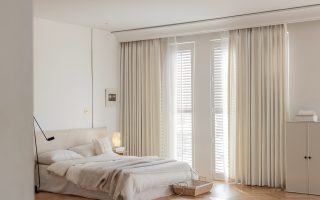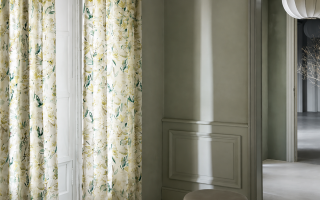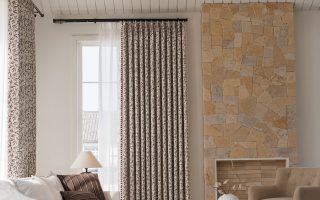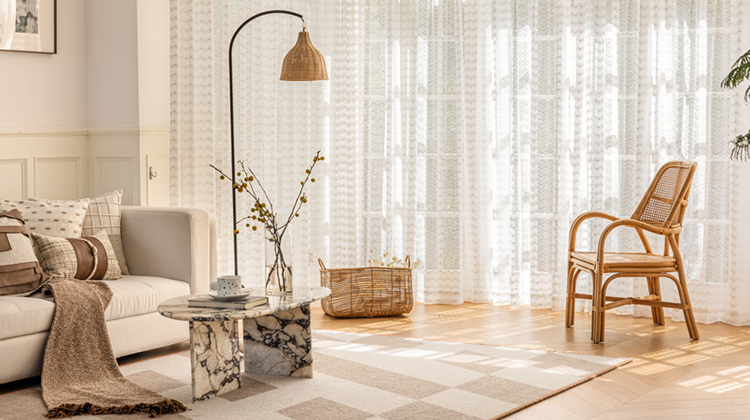
Natural light can make a room feel brighter, more open, and more inviting. But leaving windows completely uncovered can also mean harsh glare and an uncomfortable view from the street. Sheer curtains offer a practical middle ground: they soften daylight while adding a light layer of coverage.
The right choice depends on more than color. Fabric, weave, fullness, and placement all affect how much light reaches your room. Whether you’re decorating a sunny living room or dressing a wide sliding glass door, this guide from Sophoradeco will help you find the right balance.
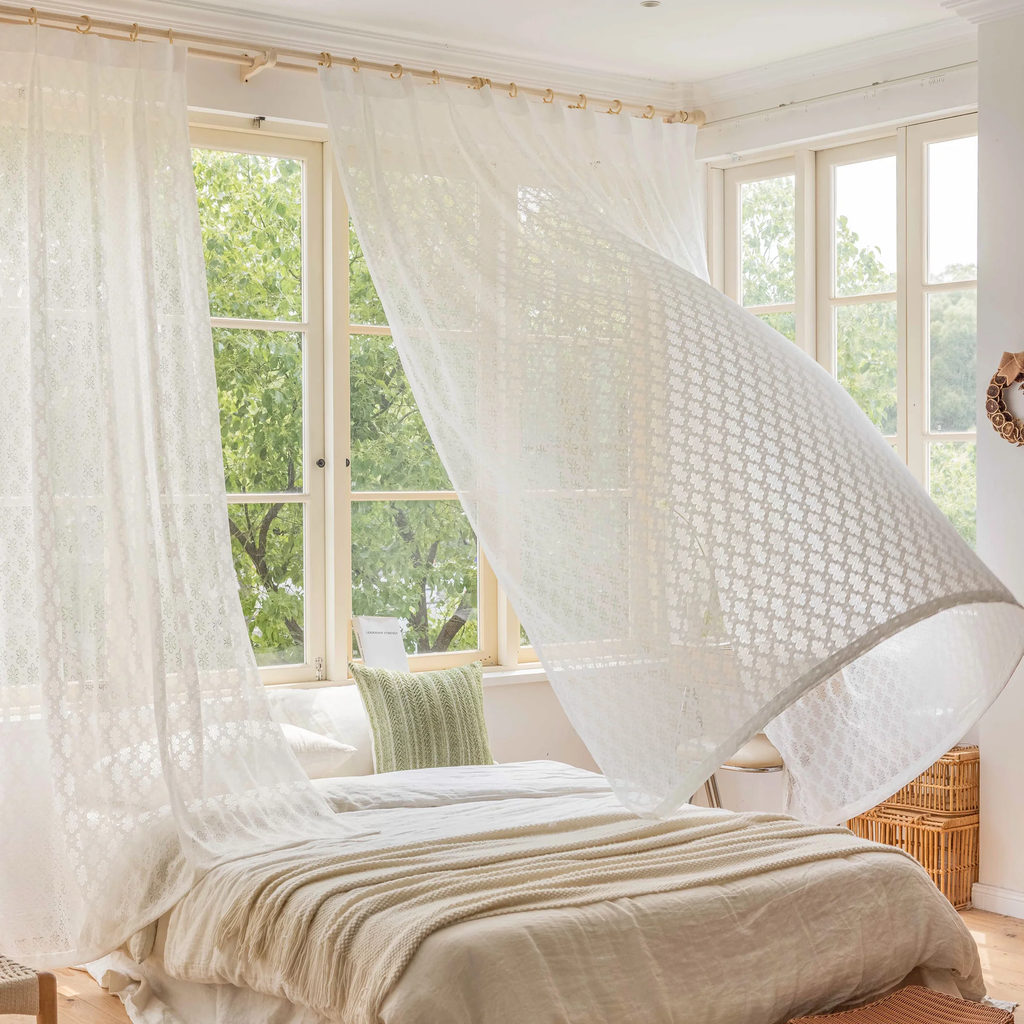
What Are Sheer Curtains?
Sheer curtains are lightweight, semitransparent window panels that filter sunlight rather than block it. Their open weave allows daylight to pass through while softening the look of a window.
Unlike blackout curtains, which are designed to substantially darken a room, sheers keep spaces bright and airy. They can also provide some daytime privacy, although the level of coverage depends on the fabric and the lighting conditions on either side of the window.
There’s no single light-transmission percentage that applies to every sheer curtain. A loosely woven white panel will generally let in more daylight than a densely woven, darker panel. For the brightest result, start with lightweight fabrics in white, ivory, or natural off-white.
Which Sheer Curtain Fabric Is Right for You?
Lightweight Polyester: Bright and Easy to Care For
Fine, loosely woven polyester sheers are a practical choice when you want plenty of light with minimal upkeep. They’re often more resistant to wrinkles than natural-fiber fabrics and work well across large windows and sliding glass doors.
Look for an airy, gauze-like weave if brightness is your main priority. Polyester fabrics vary, so check the texture and care instructions for the specific panel.
Best for: Everyday living spaces, wide windows, and easy-care window treatments.
Linen: Soft Light and Natural Texture
Lightweight linen sheers bring subtle texture and a relaxed look to a room. The weave gently filters daylight, creating a softer atmosphere without the visual weight of a heavier curtain.
Linen’s slightly rumpled appearance is part of its appeal. Washed linen is especially well suited to interiors that favor natural materials and an easygoing finish.
Best for: Living rooms, bedrooms, and spaces with a relaxed, organic style.
Organza: A Crisp, Polished Finish
Organza has a more structured feel than gauzy polyester or linen, often with a subtle sheen. It allows light through while giving the window a dressier appearance.
Because organza can be delicate, review the care label before washing or ironing.
Best for: Formal living rooms, dining rooms, and decorative window arrangements.
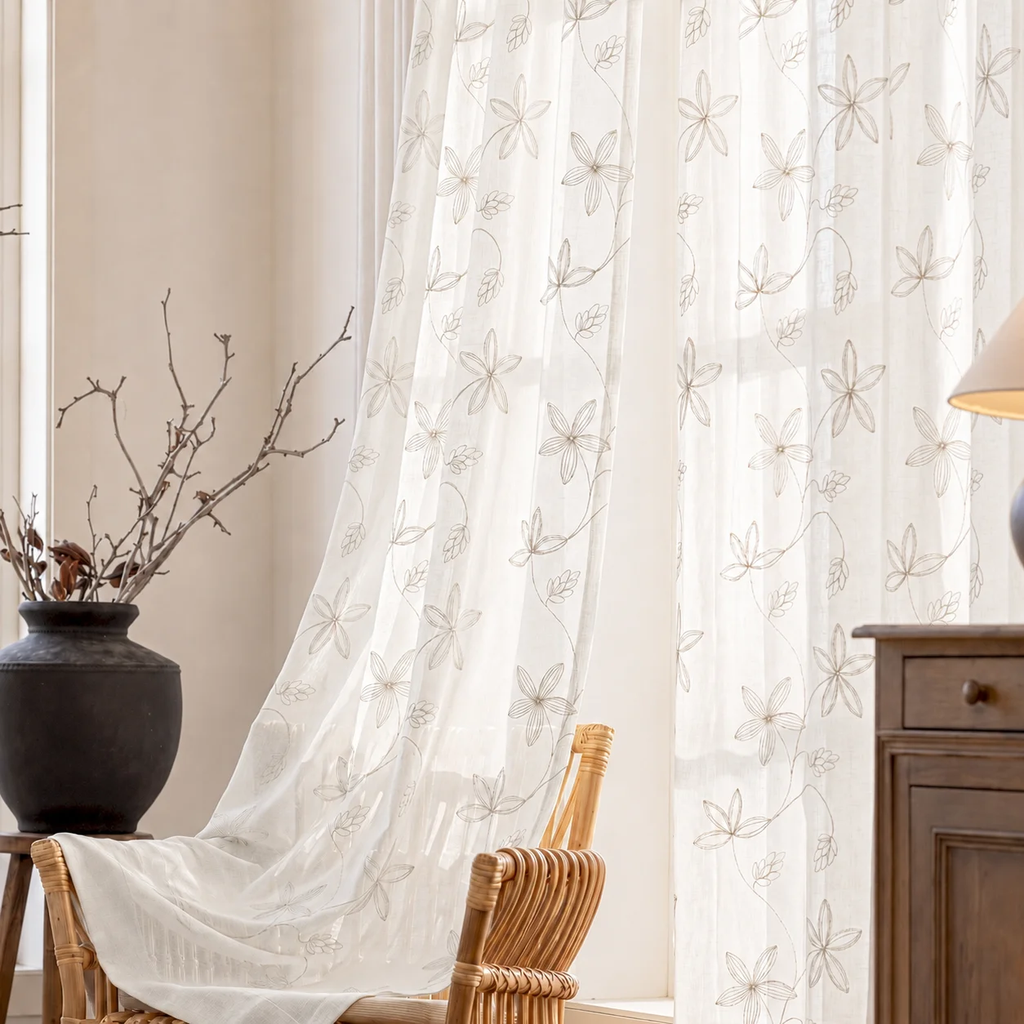
Embroidered or Patterned Sheers: Light With Added Detail
If a plain panel feels too simple, embroidered or patterned sheers can add visual interest while maintaining an airy look.
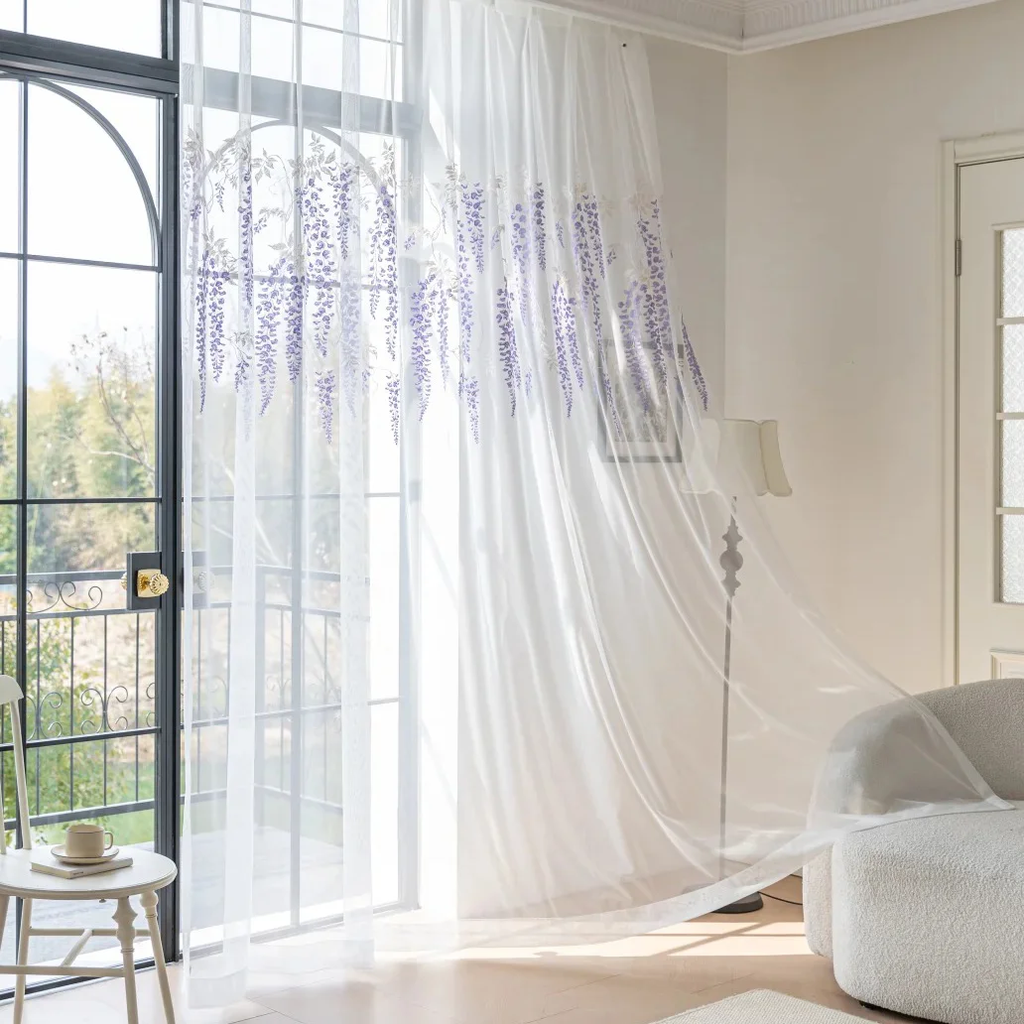
Pay attention to how much of the fabric is covered by the design. Open, widely spaced motifs generally preserve more transparency, while dense embroidery creates more coverage and filters more light.
Best for: Rooms where the curtains are part of the decorative focal point.
How to Choose Sheers for Each Room
Living Room
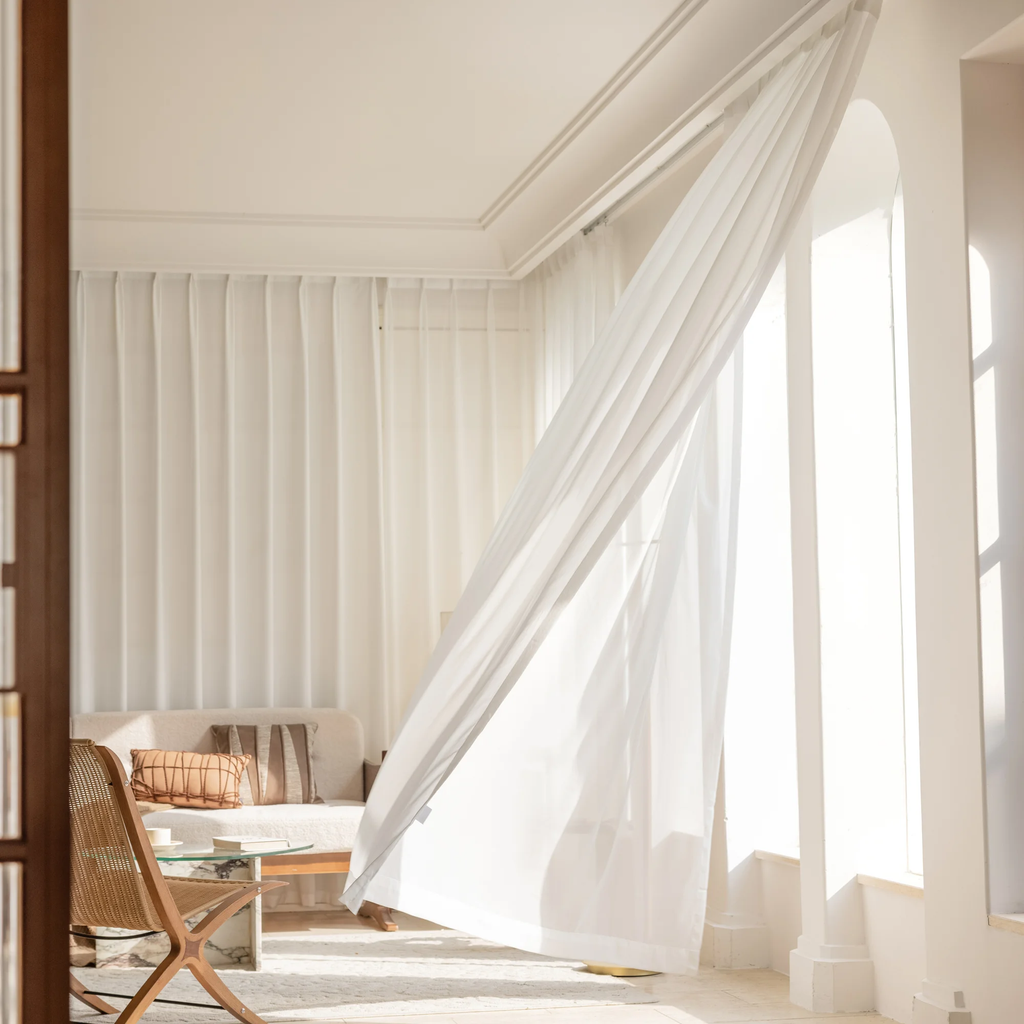
White gauzy sheers or lightweight natural linen are good starting points for a bright living room. Both soften incoming daylight and help create a comfortable atmosphere.
For windows that receive strong direct sun, consider how the fabric looks at the brightest time of day. A sheer can soften glare, but it won’t provide the same light control as a heavier curtain.
Bedroom
Sheers are useful for daylight and a soft daytime look, but they won’t make a bedroom dark enough for everyone to sleep comfortably.
Pair them with blackout curtains for greater flexibility. Keep the sheers closed during the day, then close the blackout panels when you want darkness and more privacy.
Kitchen
Short, machine-washable polyester sheers are a practical option for many kitchen windows. They’re easy to remove for cleaning and less likely to get in the way of everyday activity than long panels.
Choose a length that suits the window and keep fabric clear of cooking surfaces, heat sources, and splashing water.
Home Office
Sheer curtains can soften bright daylight and help reduce glare on screens while keeping a workspace feeling open.
If direct sun still makes your monitor difficult to see, add an adjustable shade or a second curtain layer for more control.
Which Colors Let in the Most Light?
For a bright, open look, start with:
- White: A fresh, versatile choice that helps the window feel light and airy.
- Ivory: A softer alternative to crisp white.
- Off-white or ecru: A warm neutral that works well with wood and earthy colors.
- Natural linen: A relaxed option with subtle color and texture.
Pale gray and soft blue can also work, though they may slightly tint the light and feel less bright than white in the same fabric.
Dark sheers generally absorb more light and create a moodier effect. If your room already struggles with limited daylight, a light-colored panel with an open weave is usually the better starting point.
Color isn’t the only factor: a dense white fabric may filter more light than a very open weave in a slightly deeper shade.
What Works Best for Large Windows and Sliding Glass Doors?
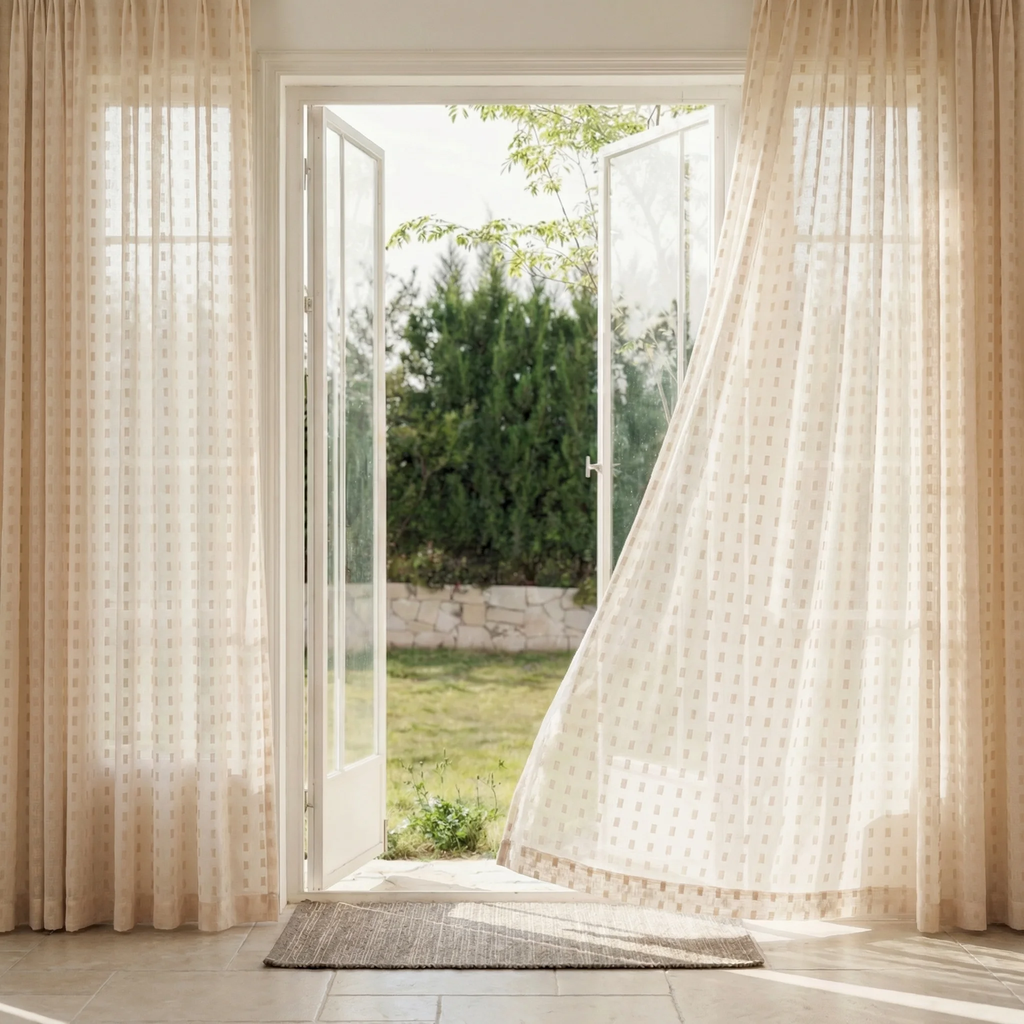
Wide windows need enough fabric to look balanced without becoming difficult to open and close. Lightweight linen or gauzy polyester can cover a large area while maintaining an airy appearance.
For softly gathered panels, a useful starting point is a combined curtain width of 2 to 2.5 times the width you plan to cover.
For example, if your curtain rod spans 80 inches, you might choose panels with a combined flat width of approximately 160 to 200 inches. Adjust the amount of fullness to suit the curtain heading and the manufacturer’s guidance.
For sliding glass doors, also consider where the panels will gather when open so they don’t interfere with the door’s everyday use.
Should You Layer Sheers With Regular Curtains?
Layering gives you more ways to use the same window throughout the day.
Place the sheers on the rod or track closest to the window and the heavier curtains on the room-facing layer. A double curtain rod or dual-track system lets each layer move independently.
During the day, the sheers can filter light while the outer curtains remain open. In the evening, close the outer layer for greater privacy. Blackout or thermal curtains can also add light control or help improve comfort near the window, depending on their construction.
For a coordinated look, pair a textured sheer with a solid curtain, or use related neutral tones across both layers.
How to Wash and Care for Sheer Curtains
Always follow the care label. Fiber content, embroidery, finishes, and curtain hardware can change how a panel should be cleaned.
Many washable polyester and cotton sheers can be cleaned on a gentle cycle at 86°F (30°C) with mild detergent. If permitted by the label, use no spin or a low spin setting—around 400 rpm where your washer offers that option—to help limit creasing.
Rehang washable panels while they’re slightly damp, provided the care instructions allow it. Their own weight can help smooth light wrinkles as they dry.
Some linen sheers can also be washed at 86°F (30°C), but others need different care. A softly wrinkled finish is normal for linen and often suits its relaxed appearance.
Organza and embellished fabrics may require more delicate handling or professional cleaning.
Choosing a Coordinated Look With Sophoradeco
When planning your Sophoradeco window treatment, start with the job you need the curtains to do: maximize daylight, soften a sunny room, or provide flexible coverage from morning to evening.
Then bring together fabric, color, panel size, and any additional curtain layers. For large windows, check the available dimensions carefully. For layered arrangements, consider both the visual pairing and how easily each panel will move.
A cohesive window treatment should feel right for the room and work comfortably in daily use.
Frequently Asked Questions
What’s the difference between sheer and light-filtering curtains?
Sheers are generally more transparent, allowing more light and a clearer sense of the view beyond the fabric. Light-filtering curtains usually have a denser construction that softens daylight while providing more coverage.
These product labels can vary, so compare fabric details and privacy descriptions rather than relying on the name alone.
Can people see through sheer curtains?
Sometimes. During the day, sheers can reduce visibility into a room when it’s brighter outside than inside. They don’t guarantee complete privacy.
At night, with indoor lights on, people outside may be able to see through them. Add heavier curtains or a shade when nighttime privacy matters.
Which sheers are best for a large picture window?
Lightweight linen or gauzy polyester in a light color are good options. Choose enough total panel width for the fullness you want, using 2 to 2.5 times the covered width as a starting point for gathered styles.
Can I hang sheers and blackout curtains together?
Yes. A double rod or dual-track system allows you to enjoy filtered daylight with the sheers and close the blackout layer when you want a darker room or more privacy.
What should I choose if natural light is my top priority?
Start with a white or off-white sheer in a lightweight, open weave. Keep the amount of gathering appropriate for the heading style, and check fabric samples in your room when available. The combination of weave, color, and fullness matters more than the fabric name alone.