Have you ever noticed how some curtains look soft, full, and beautifully finished, while others seem flat, sparse, or slightly unfinished? In many cases, the difference comes down to one important detail: curtain fullness.
Curtain fullness has a major impact on how your drapes look once they’re installed, but it also affects how they function in everyday life. It can change the overall feel of a room, improve privacy, help with light control, and make curtains look more custom and more luxurious.
If you’ve ever wondered what curtain fullness actually means or how much fullness you should choose for your windows, you’re not alone. It’s one of the most important parts of selecting curtains, yet it’s often overlooked.
In this guide, we’ll explain what curtain fullness is, why it matters, and how to choose the right amount based on your room, your fabric, and your preferred header style.
What Is Curtain Fullness?
Curtain fullness, sometimes called the fullness ratio, refers to the relationship between the total width of the curtain fabric and the width of your curtain rod, track, or window area.
Simply put, it describes how much extra fabric is used to create folds, gathers, ripples, or pleats across the width of the window. The more fabric you use, the fuller the curtains will look once they’re hung.
That extra width is what gives curtains their softness, body, and finished appearance. Without enough fullness, even a beautiful fabric can end up looking flat, stiff, or underwhelming.
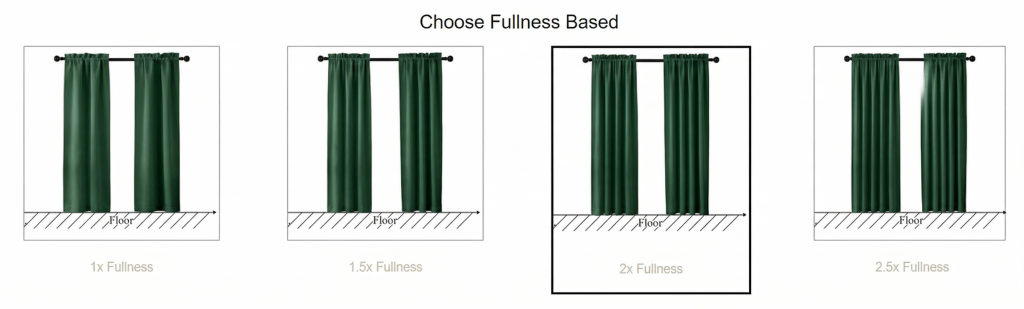
Common curtain fullness ratios
1.5x fullness
This means the total fabric width is one and a half times the width of the curtain rod or window. It creates a cleaner, more tailored look with a lighter amount of gathering. For example, if your curtain rod is 100 inches wide, you would use 150 inches of fabric in total.
2x fullness
This is the most common and most widely recommended option. It means the total fabric width is twice the width of the rod or window. The result is a soft, balanced drape with enough folds to look polished and complete.
2.5x to 3x fullness
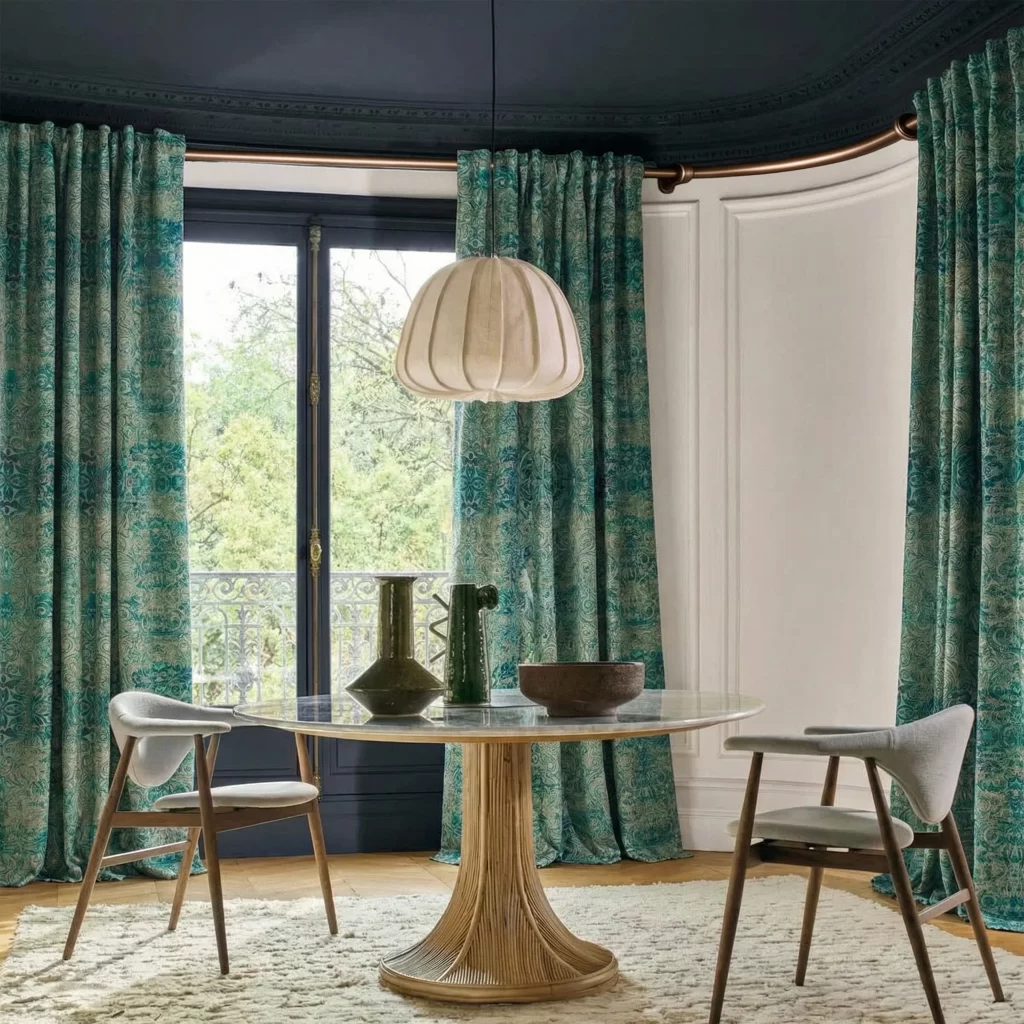
These higher fullness levels use much more fabric and create deeper, more dramatic folds. This look feels more luxurious, more decorative, and more formal. It is often used in larger rooms, statement spaces, or interiors where a richer presentation is desired.
Why Curtain Fullness Matters
Curtain fullness does more than improve the appearance of your window treatments. It also affects how well they perform.
Better privacy
Fuller curtains overlap more effectively and leave fewer visible gaps when closed. This is especially helpful for styles like Grommet curtains, where the fabric naturally forms wider waves.
Better light control
When there is more fabric across the width of the window, the folds are denser and closer together. This helps reduce the amount of light that can pass through the spaces between folds.
Better sound absorption
Extra folds and additional layers of fabric can help soften sound and reduce echo. This makes fuller curtains a smart choice for bedrooms, media rooms, or any space where you want a quieter, more comfortable atmosphere.
Better insulation
More fabric can also improve thermal performance. Fuller curtains provide more coverage at the window, which can help the room feel warmer, cozier, and better protected from drafts.
How Much Curtain Fullness Should You Choose?
The right amount of fullness affects both the style and the function of your curtains. Choosing the right ratio is not only about appearance. It should also reflect the size of your room, the curtain header style, the weight of the fabric, and how the room is used.
There is no single ratio that works for every situation. The best choice depends on the look you want to achieve and the performance you expect from your curtains.
Common Fullness Levels and Where They Work Best
Curtain fullness is usually expressed as a ratio such as 1.5x, 2x, or 2.5x. This tells you how much fabric is being used compared to the width of the rod, track, or window.
1.5x fullness
This is a good option for smaller windows, tighter budgets, or interiors with a more minimal style. The effect is neat, streamlined, and lightly gathered without feeling overly decorative. It works especially well in modern spaces that favor clean lines and less visual bulk.
2x fullness
This is the standard choice and the most versatile option for everyday use. With twice as much fabric as the rod width, you get soft, even folds that feel balanced, comfortable, and visually complete. It works beautifully in bedrooms, living rooms, and most residential spaces.
2.5x fullness or more
If you want a fuller, more dramatic look, a higher fullness ratio is the way to go. These richer styles create deeper pleats, more volume, and a more luxurious presence. They are especially well suited to formal dining rooms, spacious living areas, tall windows, and interiors where you want the curtains to stand out more.
A simple rule to keep in mind is this:
more fullness creates a richer look, stronger light control, and better insulation, while less fullness creates a cleaner, more contemporary appearance and is usually easier to manage.
Match Curtain Fullness to the Header Style
Different curtain header styles look and perform best with different levels of fullness. That means fullness should never be chosen on its own. It should always be matched to the curtain style you plan to order.
Hooks Top
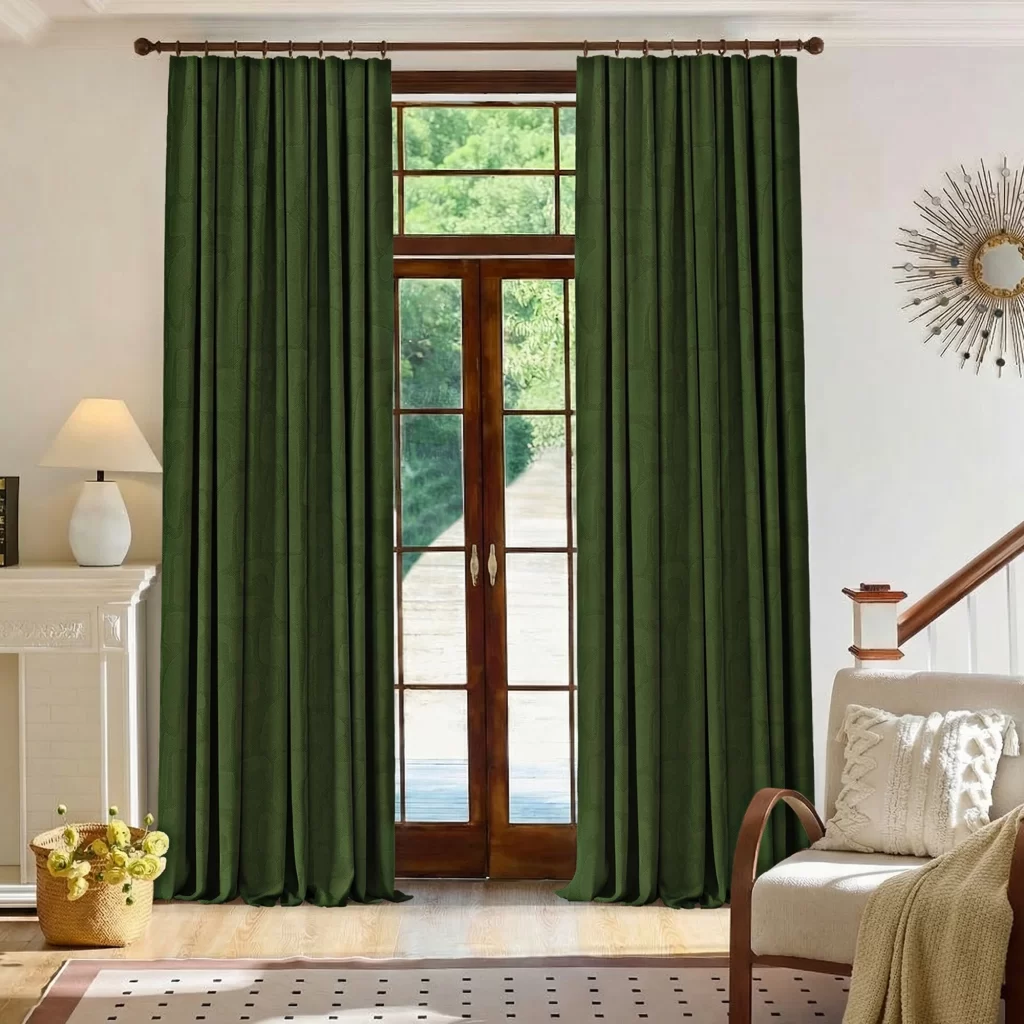
Hooks Top curtains usually work well with 2x to 2.5x fullness, depending on the look you want to create. Since this style is often used for more tailored and structured drapery, a fuller ratio helps achieve a richer, more elegant finish.
If you prefer a softer everyday look, 2x fullness is often enough. If you want deeper folds and a more custom feel, 2.5x fullness can create a more luxurious result.
Grommet
Grommet curtains usually look best with 1.5x to 2x fullness. Since each metal ring naturally forms a wave, adding too much fabric can make the folds bunch awkwardly. In most cases, 2x fullness gives a balanced, full, and attractive result.
Double Pinch Pleat
Double Pinch Pleat curtains need more fabric because the pleats themselves use up width and create a more structured top. A ratio of around 2x fullness is generally recommended to achieve a tailored and refined appearance.
This header style feels classic, polished, and slightly more formal, so it benefits from enough fabric to keep the pleats looking crisp, defined, and elegant.
Pole Pocket
Pole Pocket curtains usually perform well at 1.5x to 2x fullness, especially when made from lightweight fabrics. If you use too much fabric, or choose a very heavy material, the curtain can become bulky and harder to slide across the rod.
For a simple and casual look, 1.5x fullness can work well. If you want a softer and more gathered appearance, 2x fullness is usually the better option.
Pencil Pleats
Pencil Pleats curtains generally look best with 2x to 2.5x fullness. This style depends on closely gathered fabric at the top, so extra width helps create the soft and even pleating effect it’s known for.
At 2x fullness, the look feels balanced and classic. At 2.5x fullness, the curtain appears fuller, softer, and more decorative, which works especially well in bedrooms and more traditional interiors.
Hidden Tab
Hidden Tab curtains usually look best at 1.5x to 2x fullness. This gives them soft ripples and a relaxed look without making them feel too heavy. Because the tabs are hidden behind the fabric, the curtain keeps a cleaner and more polished face than some other casual header styles.
1.5x fullness works well for a more minimal look, while 2x fullness gives a fuller and more finished appearance.
A note on S-Fold
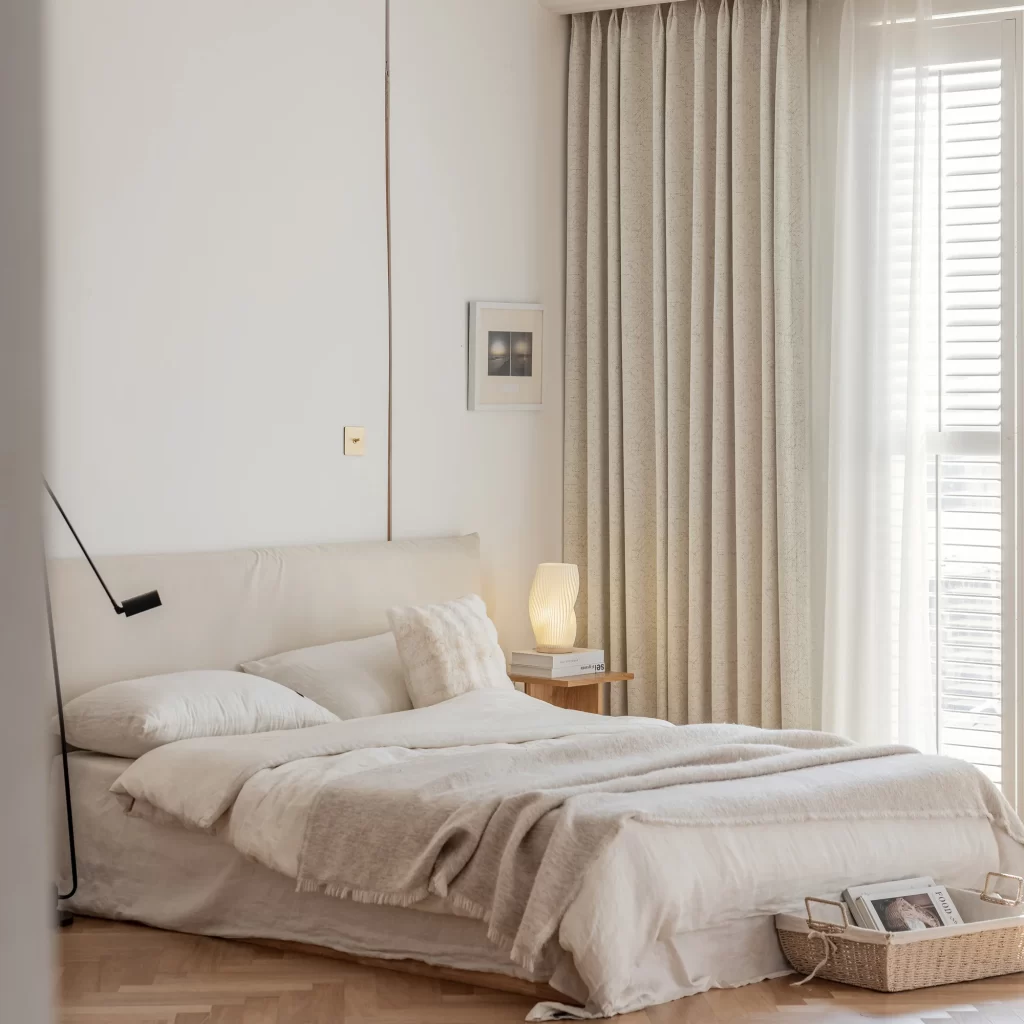
If your site also offers S-Fold curtains, this style works a little differently. Instead of using the standard 1.5x or 2x language, it is often described using fullness percentages such as 60%, 80%, 100%, or 120%.
A higher percentage creates deeper and more dramatic ripples, while a lower percentage gives a flatter and more minimal wave.
The most common standard for residential S-Fold curtains is 100% fullness, which is often described as roughly equivalent to 2x fullness in visual effect.
If you want a lighter and more minimal ripple effect, 60% or 80% fullness can work well. If you want a look that feels tailored but still relaxed, 100% fullness is usually the safest choice. If you prefer deeper, denser waves with a more luxurious presence, 120% fullness creates a richer visual effect and can also support slightly better light control and insulation because of the increased amount of fabric.
Other Things to Consider When Choosing Curtain Fullness
Choosing fullness is not only about the header style. There are several other practical details that can influence which ratio works best in your space.
Consider the Room Size and Window Width
Large windows and wider spans usually need more fullness to look visually balanced. Extra fabric helps the curtains feel properly scaled to the opening and also improves privacy and light blocking across a larger surface.
In smaller rooms, however, too much curtain fabric can feel visually heavy or overwhelming. Using a slightly lower ratio can help keep the space feeling lighter and more proportionate.
As a general guideline, large rooms or tall windows usually look best with 2x fullness or more, while small rooms or narrow windows often feel more balanced in the 1.5x to 2x range.
Consider the Fabric Weight and Material
Fabric type also makes a noticeable difference when choosing fullness.
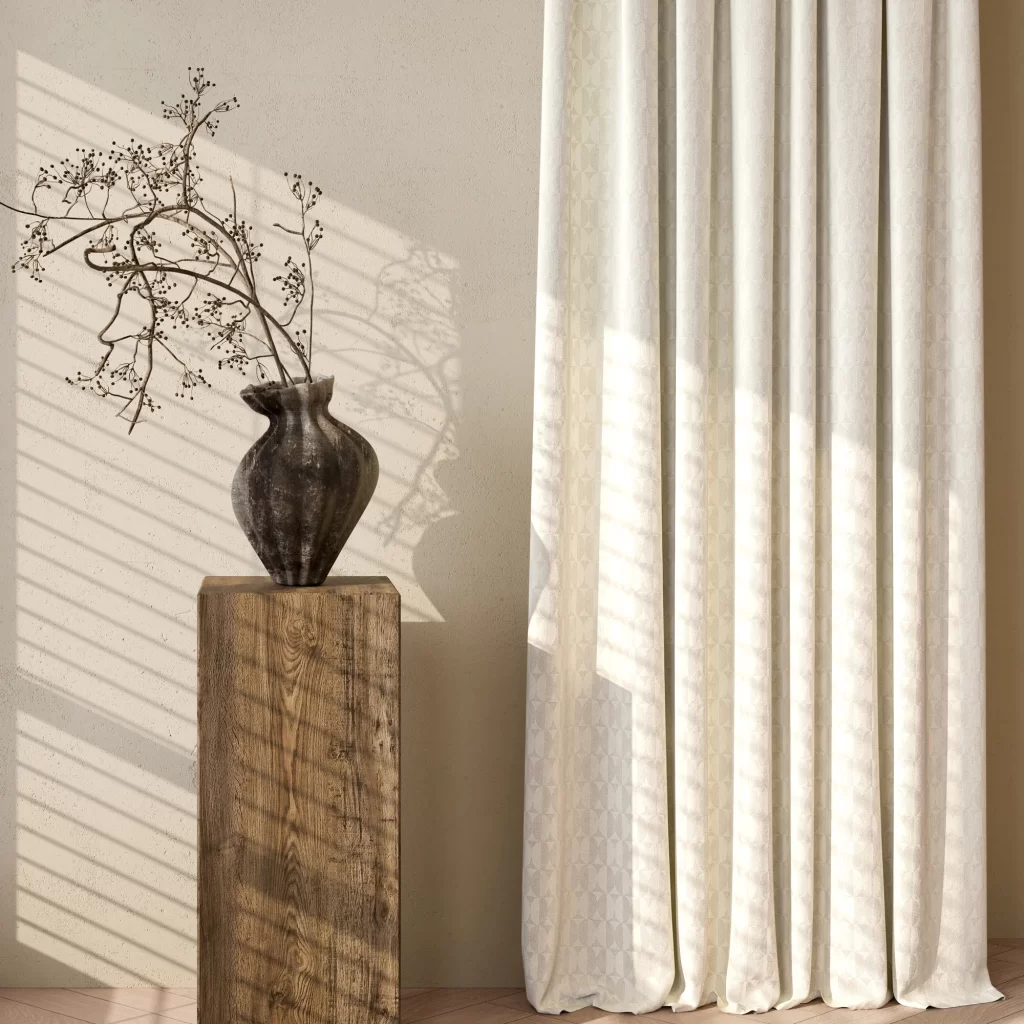
Heavier fabrics such as velvet or thick cotton often drape beautifully with less fullness, because the material already has weight and body. Too much extra width can make the curtains feel bulky, harder to handle, and less practical in everyday use. For example, a velvet Grommet curtain with too much fullness may become harder to open and close smoothly.
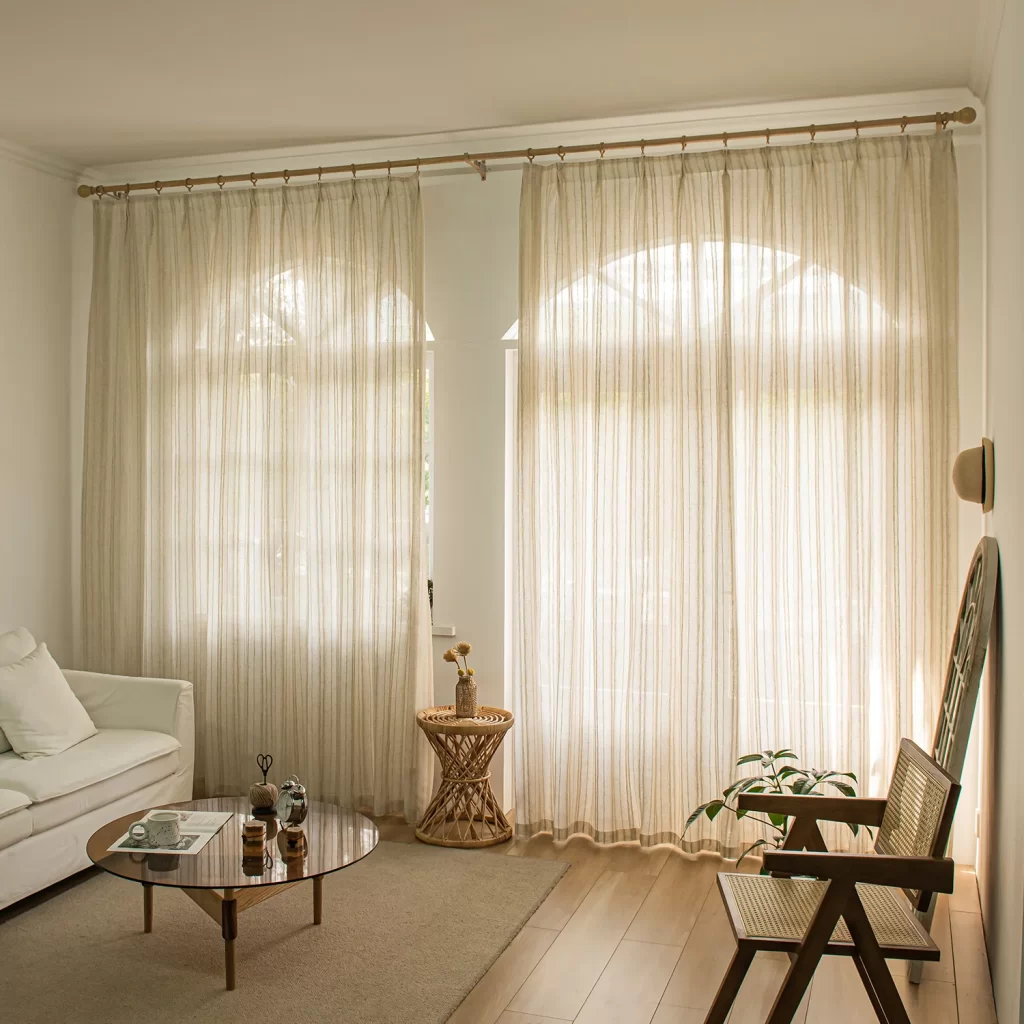
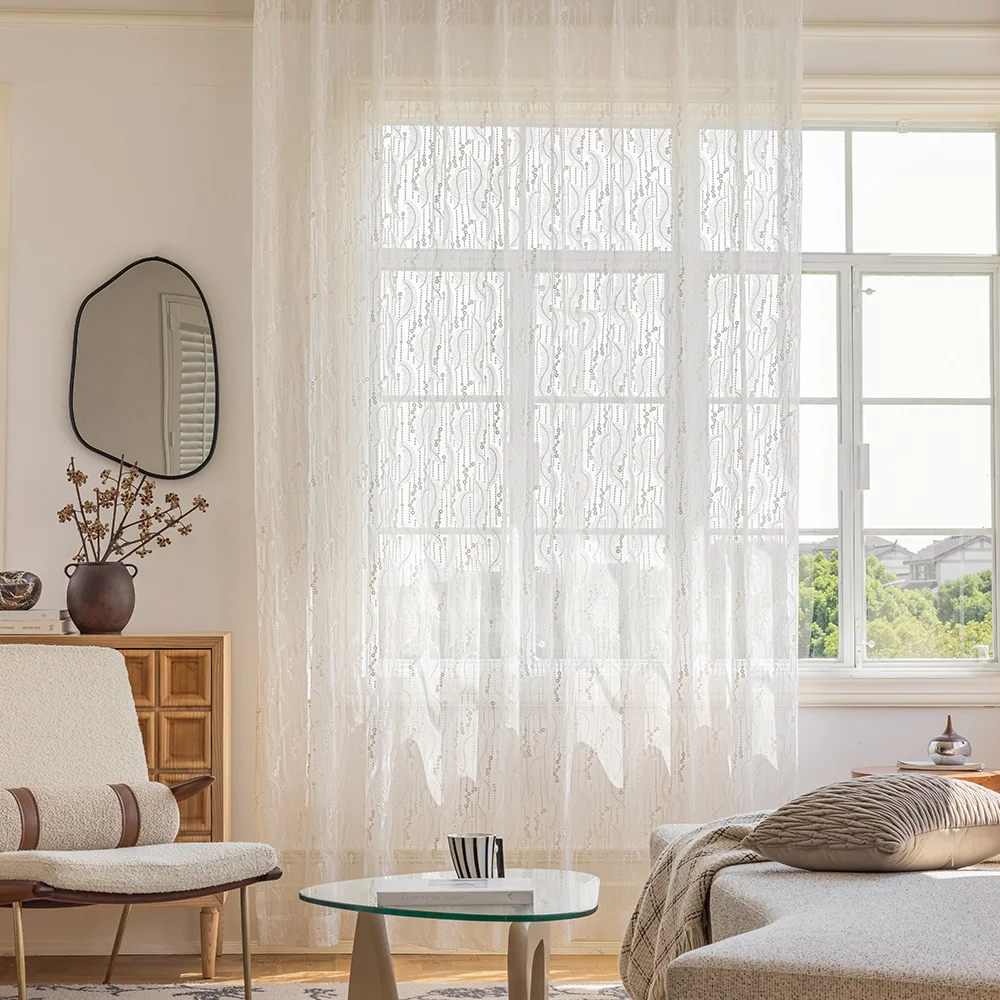
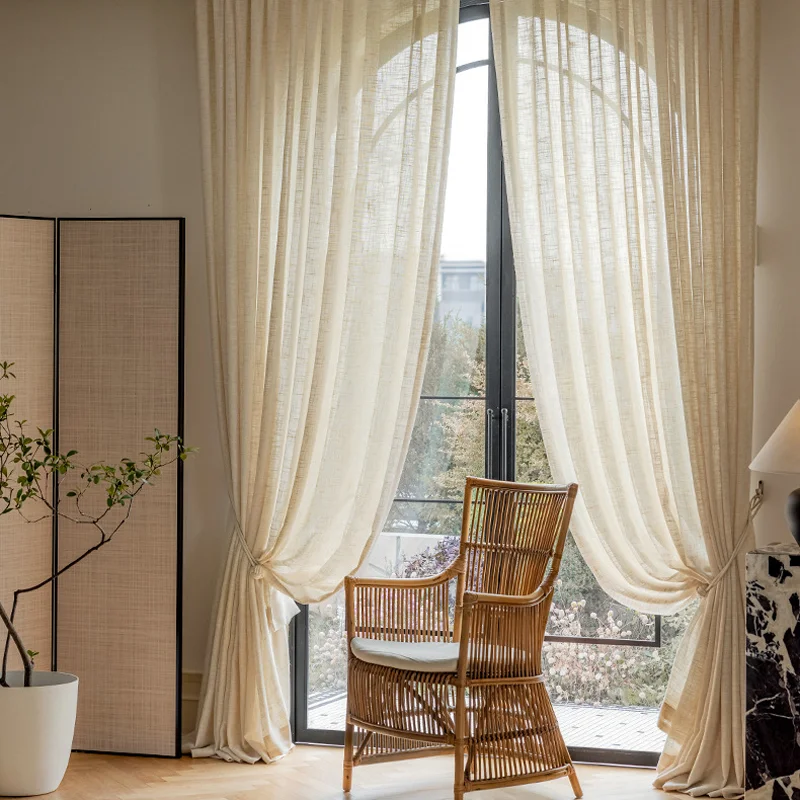
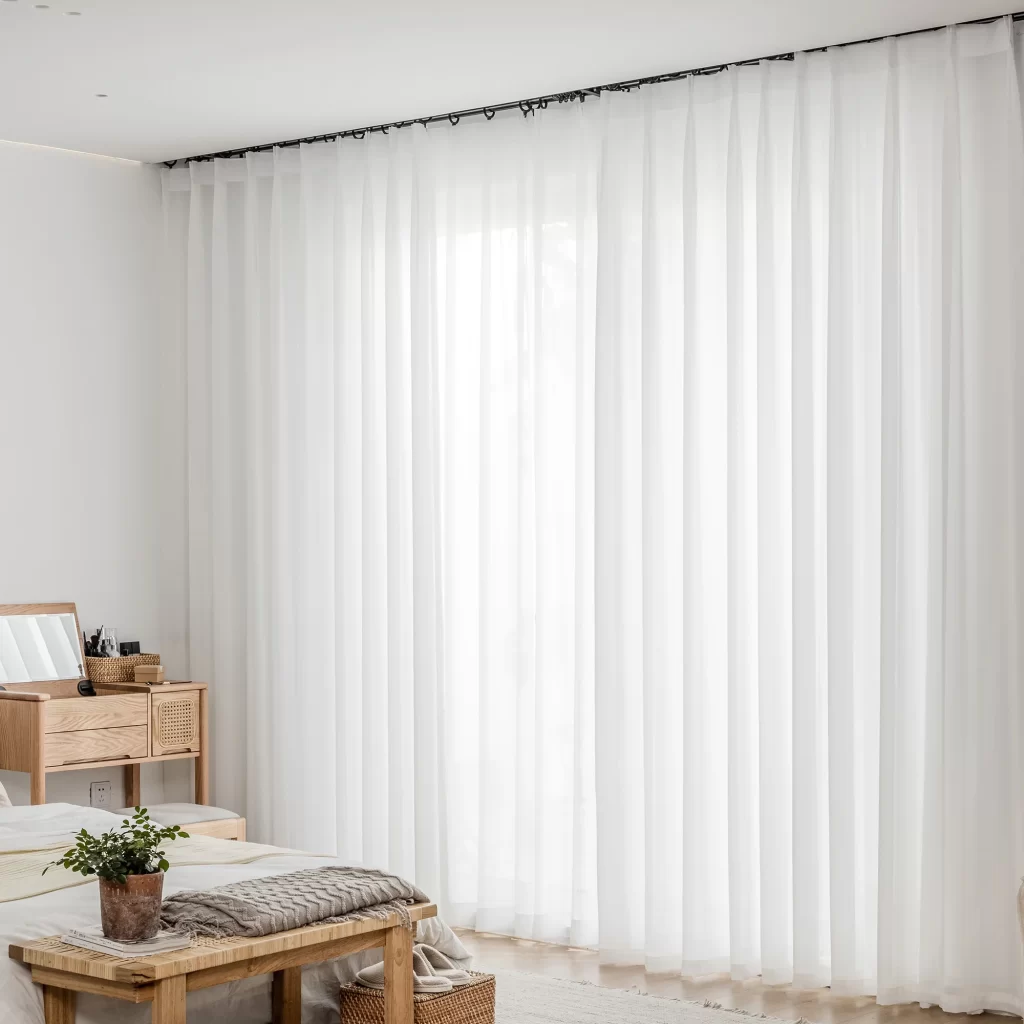
On the other hand, sheer fabrics and lightweight linens usually benefit from more fullness. Extra fabric helps these lighter materials look softer, fuller, and more elegant instead of flat or sparse. For light sheers in a Pole Pocket style, 2x or even 2.5x fullness is often preferred for a more finished and luxurious appearance.
As a practical rule, heavy, thick, or lined fabrics usually work best at 1.5x to 2x fullness, while sheers and lightweight fabrics often look better at 2x to 2.5x fullness.
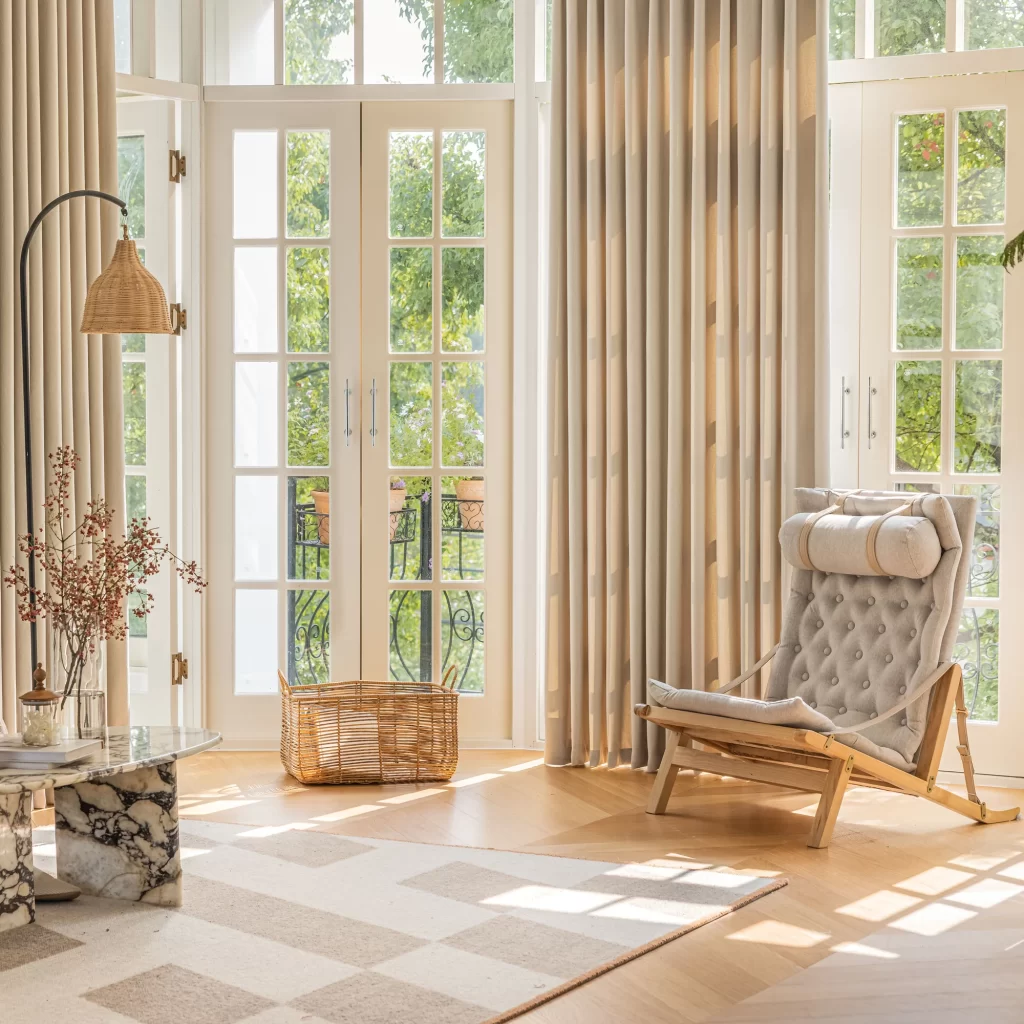
Consider the Room Style and the Function of the Space
Curtain fullness also changes the decorative feel of a room. Before choosing a ratio, think about the overall style you want the space to have.
Traditional interiors
Traditional spaces usually work well with higher fullness. More fabric adds softness, elegance, warmth, and a more decorative appearance.
Modern or minimalist interiors
Modern spaces often look best with just enough fullness to create a soft wave. The goal is usually a clean, uncluttered finish without unnecessary volume.
Casual or relaxed interiors
For more relaxed spaces, a slightly lower fullness ratio can feel more natural and effortless. This is especially true for decorative side panels or airy linen sheers where you want a light, informal look.
Curtain fullness also changes how the curtains function in different rooms.
Bedrooms
For bedrooms, fuller curtains are often the better option. Ratios like 2x or 2.5x fullness provide better light blocking, improved privacy, and a softer, more cocooning feel because of the added layers of fabric.
Living rooms
In living rooms, standard fullness is usually the safest and most balanced choice. It creates a polished look while still offering enough privacy and light management for everyday use.
Kitchens
In kitchens or utility spaces, 1.5x to 2x fullness is often enough. This creates a cleaner, easier-to-manage look that feels practical and appropriate for the space.
Final Thoughts
Curtain fullness has a bigger impact than many people realize. It changes how your curtains look, how they hang, how much privacy they provide, and how well they perform for light control and insulation.
The right fullness ratio can take curtains from basic to beautiful. It can make a room feel softer, more polished, and more thoughtfully finished. To choose the best option, make sure to look at the full picture: your room size, your interior style, your fabric weight, and your curtain header style all matter.
If you want your curtains to look more custom, perform better, and feel truly complete, choosing the right fullness is one of the most important decisions you can make.