At Sophora, we offer both curtain rods and curtain tracks. From the questions we get, it’s clear that many customers understandably want a bit of guidance before choosing between these two options.
So—rod or track, which one makes the most sense for your space?
Let’s walk through the differences so you can decide with confidence.
What Is a Curtain Rod?
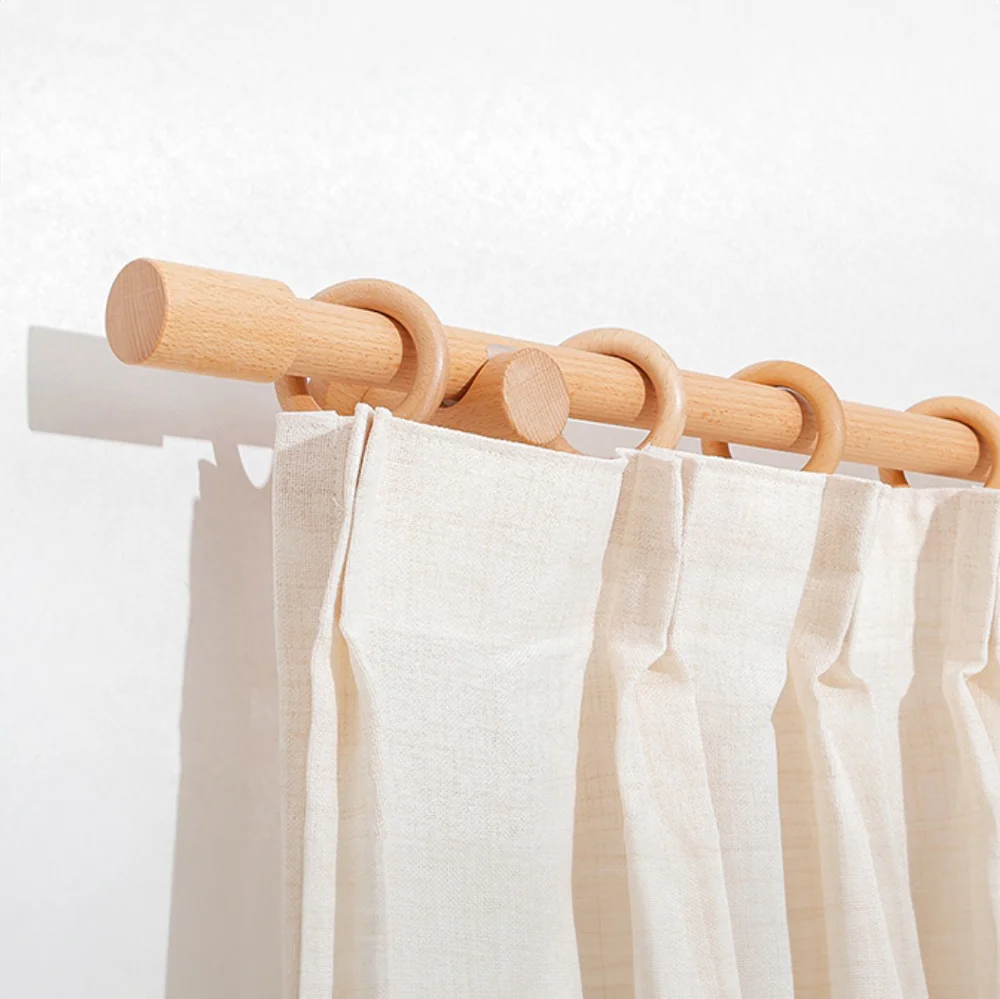
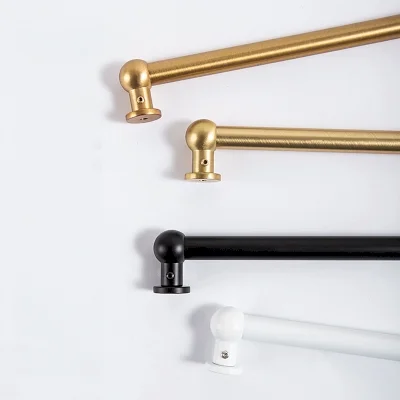
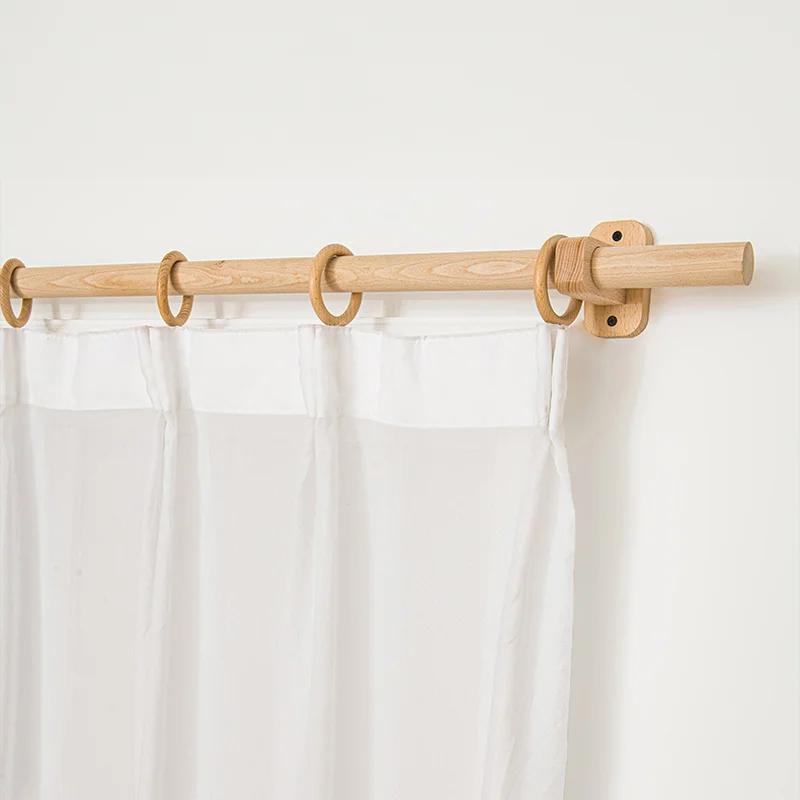
A curtain rod is a round bar—typically metal or wood—that holds your curtains. Metal rods are often favored for their durability and clean, timeless look. A rod setup usually includes decorative finials (end caps), mounting brackets (wall-mounted or sometimes ceiling-mounted), and the right curtain heading style: pinch pleats, grommets, tab tops, or tie tops.
Choosing the Right Diameter
- Slim rod: Best for lightweight curtains (sheers).
- Thicker rod: Recommended for heavier fabrics (velvet, thick drapery fabrics).
- Versatile choice: A 1⅛-inch (28 mm) rod is a classic, go-with-anything size that works for most rooms.
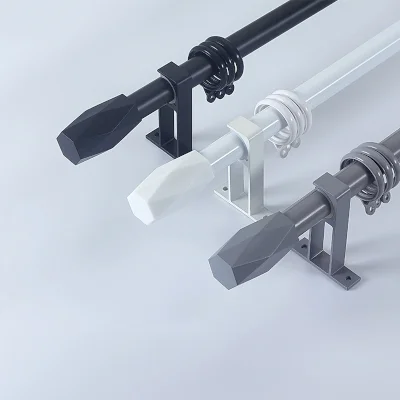
Why Curtain Rods Are So Popular
– More decorative: Rods come in many finishes and styles, so they can complement your hardware, lighting, and overall décor.
– Works with many curtain styles: Great for everything from airy sheers to heavier drapes.
– Easy to install: Most rod installations are straightforward with basic tools.
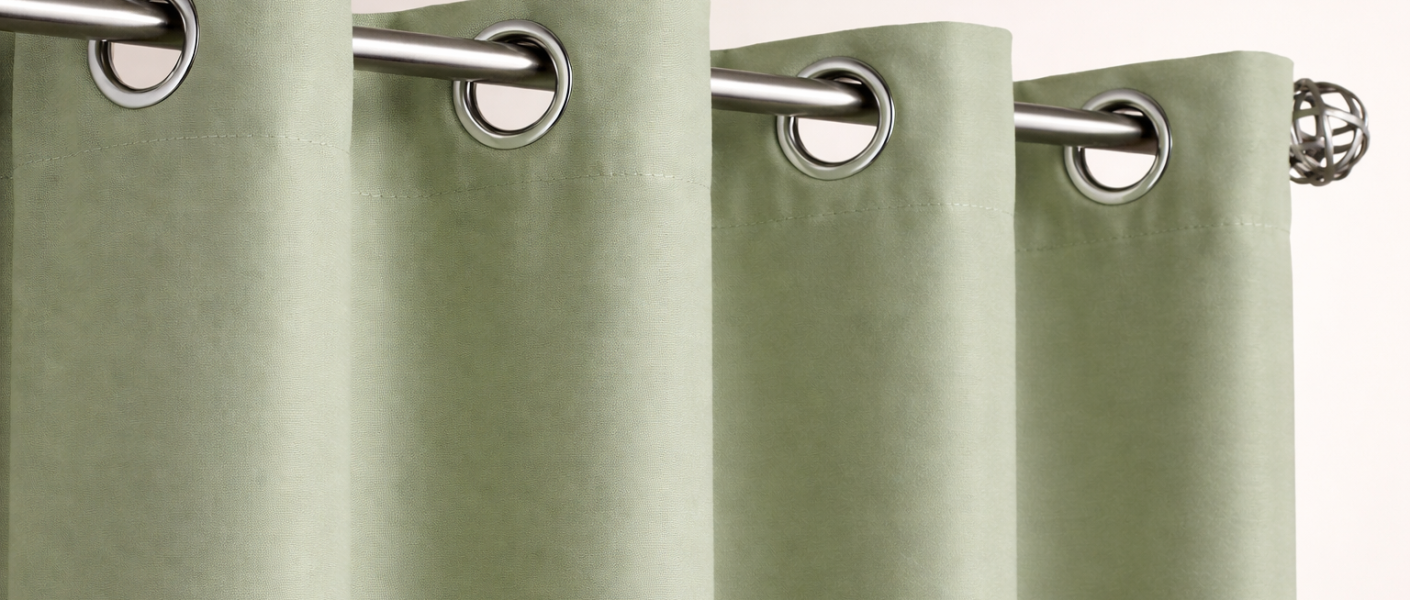
One big bonus: curtain rods are the go-to option for grommet-top curtains.
Grommets are popular in the U.S. because they look sleek and modern—and they glide easily on a rod. This style generally isn’t compatible with most tracks.
What Is a Curtain Track?
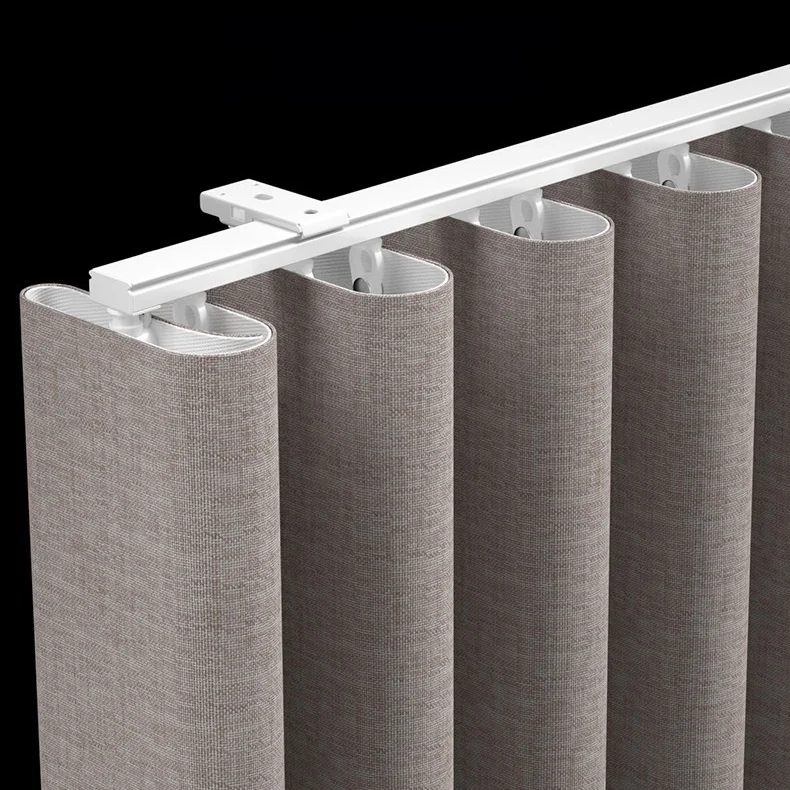
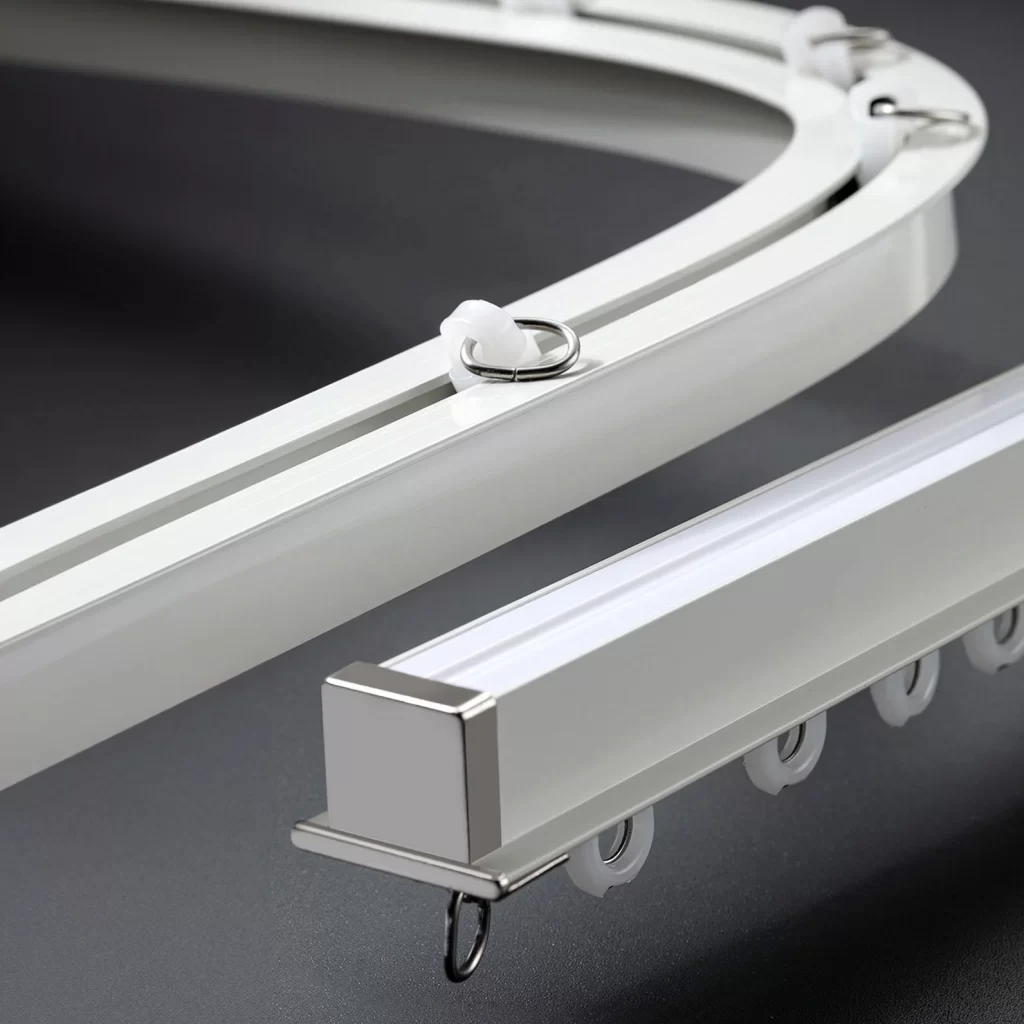
A curtain track is a low-profile system that lets curtains glide along a rail using gliders or rollers. Compared to rods, tracks are designed to be more subtle—often blending into the ceiling line or sitting neatly above the window so the focus stays on the fabric.
Tracks can be ceiling-mounted or wall-mounted, and many systems clip into mounting brackets, making them easier to remove later for adjustments or cleaning.
👉 How to Choose a Curtain Track
1️⃣ Material
- Aluminum: Lightweight, durable, great for everyday use.
- Steel: Extra strong, ideal for heavier curtains.
2️⃣ Curtain weight
- Sheers/lightweight panels: A standard track is usually enough.
- Heavier drapes: Choose a reinforced/heavy-duty track to support the weight.
3️⃣ Optional upgrades
- Quiet-glide rollers for smoother operation, or even motorized tracks for a more hands-free setup.
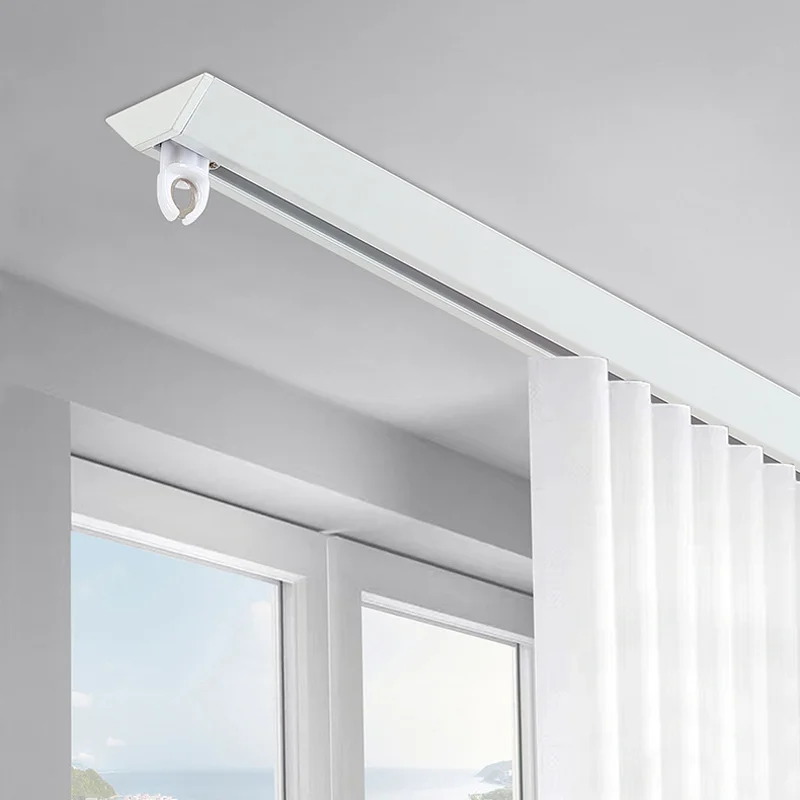
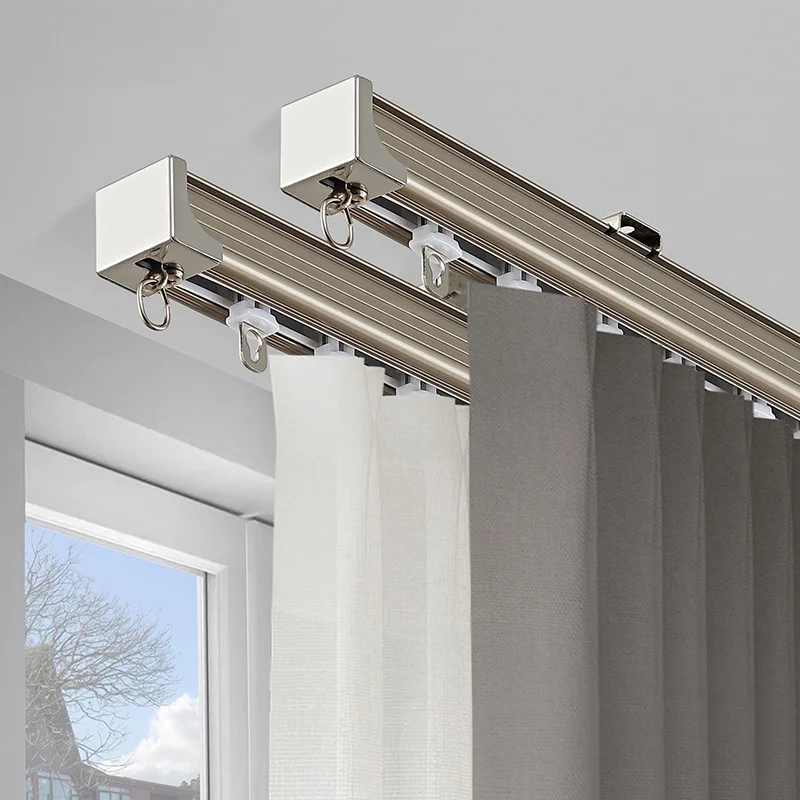
Why People Choose Curtain Tracks
- Clean, minimal look: Tracks can be more discreet than rods, especially for modern interiors.
- Smooth functionality: Great for opening/closing curtains daily—especially in tighter spaces.
- Better for tricky layouts: Tracks can work well for recessed windows, ceiling installs, or angled ceilings where rods may be less practical.
How to Choose Between the Two
When deciding, consider your room’s style, how heavy your curtains are, how often you’ll open and close them, and how your window is built.
Do you want a statement rod that’s meant to be seen as part of the décor?
Or a sleek track that stays out of sight and lets your curtains take center stage?
- If you want something decorative with lots of finish options, a curtain rod is a great fit.
- If you prefer a streamlined, functional option—especially for ceiling installs or recessed windows—a curtain track may be the better choice.
Questions? Reach out anytime at contact@sophoradeco.com.